How Long Does a Home Addition Take to Build in Jefferson City, Missouri?
Key Takeaways
- Home addition timelines in Jefferson City depend on design complexity, permitting, weather, and material availability.
- Simple additions may move faster than projects involving new foundations or major structural changes.
- Permitting timelines vary by scope and can affect when construction is allowed to begin.
- Weather delays are a realistic factor to plan for, especially during certain seasons in Missouri.
- Understanding each stage of the process helps set expectations that match the actual scope of work.
Introduction
A home addition in Jefferson City, Missouri typically takes anywhere from a few months to close to a year, depending on the size and complexity of the project. There isn't one standard timeline, since design decisions, permitting, and weather all play a role in how long the process takes from start to finish.
For homeowners considering an addition, understanding these variables matters more than focusing on a single number. A simple room addition and a two-story expansion with new foundation work follow very different schedules, even though both fall under the same general category.
This guide walks through the factors that typically affect home addition timelines in Jefferson City, along with the general stages of the building process, so you can plan with realistic expectations.
What Determines a Home Addition Timeline?
Several factors combine to determine how long a home addition takes. These include the scope of design work, the permitting process required for your specific project, seasonal weather patterns, material lead times, and the structural complexity of the build.
No single factor tells the whole story. A project with a straightforward design might still face delays if permitting takes longer than expected, or if a key material is on backorder. Looking at these variables together gives a more accurate picture than focusing on just one.
The Design and Planning Stage
Before construction begins, most home additions go through a design and planning phase. This includes finalizing the layout, selecting materials, and preparing drawings that meet local building code requirements.
This stage can take anywhere from a few weeks to a couple of months, depending on how quickly decisions are made and whether design revisions are needed. Homeowners who have a clear sense of what they want tend to move through this phase faster than those still exploring options.
If you're early in the process of considering an addition, reviewing home addition services can help clarify what design and planning typically involve before committing to a specific scope.
Permitting Timelines in Jefferson City
Permitting is a required step for most home additions, and timelines can vary based on the scope of the project and current workload at the local permitting office. Larger additions, especially those involving new foundations or significant structural changes, often require more detailed plan review.
It's difficult to predict an exact permitting timeline without knowing the specific project details. Some permits move through review in a few weeks, while others involving structural engineering review can take longer.
Why Permitting Delays Happen
Permitting delays are often caused by incomplete plan submissions, requests for additional information, or high volume at the permitting office during certain times of year. Submitting complete and accurate plans from the start can help reduce back-and-forth during review.
How Weather Affects Construction Scheduling
Missouri weather can affect certain phases of home addition construction, particularly site work, foundation pouring, and exterior framing. Heavy rain, extreme cold, or other weather events can delay these stages until conditions are workable.
Interior work is generally less affected by weather once the structure is enclosed, but early-stage outdoor work remains weather-dependent. Building some flexibility into your expected timeline for these phases is a reasonable approach.
Material Availability and Lead Times
Material lead times can influence how long a home addition takes, especially for custom items like windows, doors, or specialty finishes. Standard materials are typically more readily available, while custom orders may take several weeks to arrive.
Confirming lead times for key materials early in the process can help avoid unexpected gaps in the construction schedule later on.
Construction Complexity and Its Impact on Timing
Not all home additions involve the same level of construction complexity. A single-room addition on an existing foundation is generally more straightforward than a project requiring a new foundation, roofline changes, or tie-ins to existing plumbing and electrical systems.
Additions that connect closely with existing structural systems often require more coordination between trades, which can extend the timeline compared to a more isolated addition.
Understanding the potential impact of a larger addition is worth discussing early, since home addition benefits often come with tradeoffs in project timeline and complexity depending on the scope involved.
Typical Stages of the Building Process
While specifics vary by project, most home additions move through similar general stages:
- Design and planning — finalizing layout, materials, and drawings
- Permitting — submitting plans for local review and approval
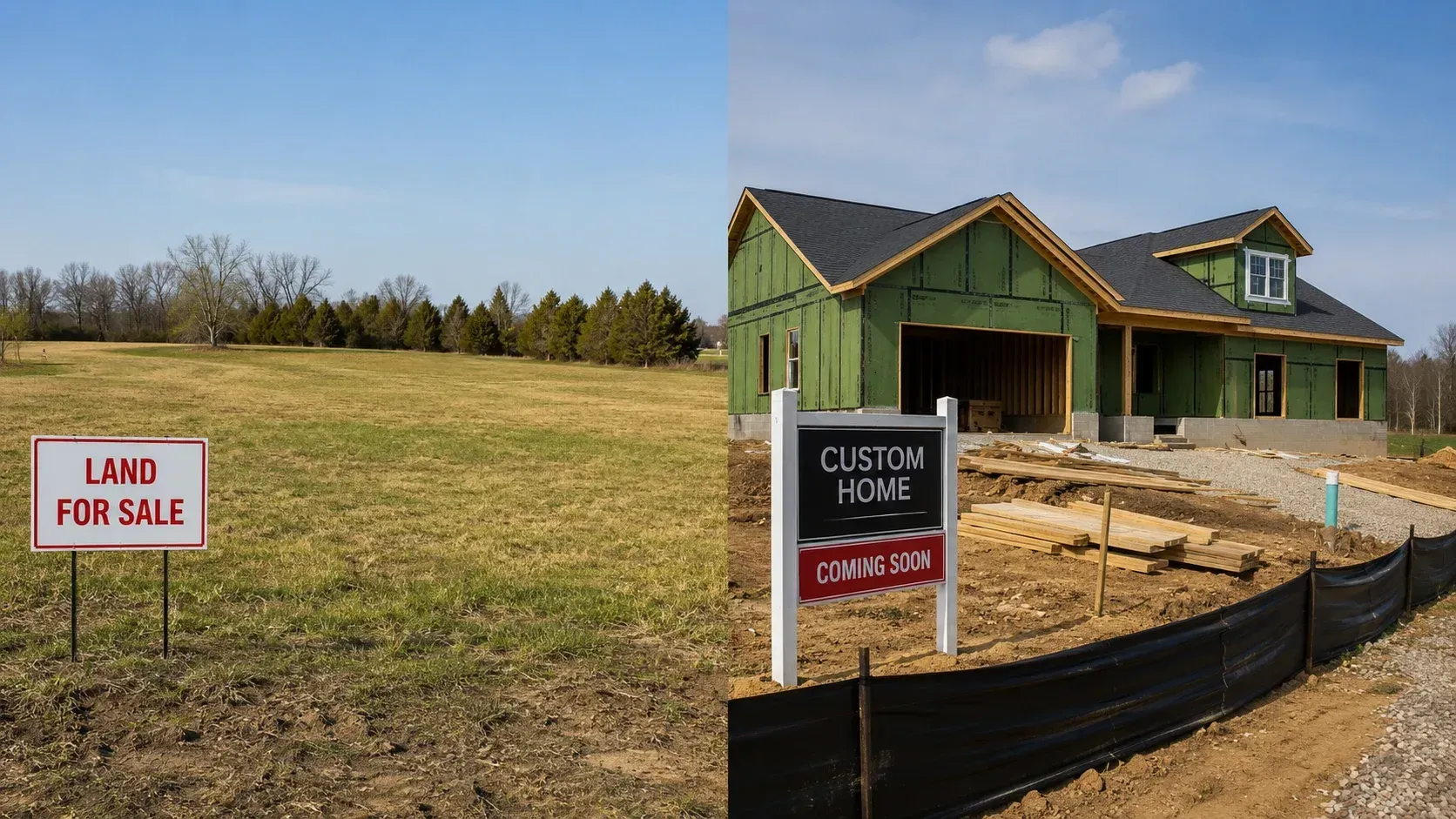
- Site preparation — grading, excavation, and foundation work if needed
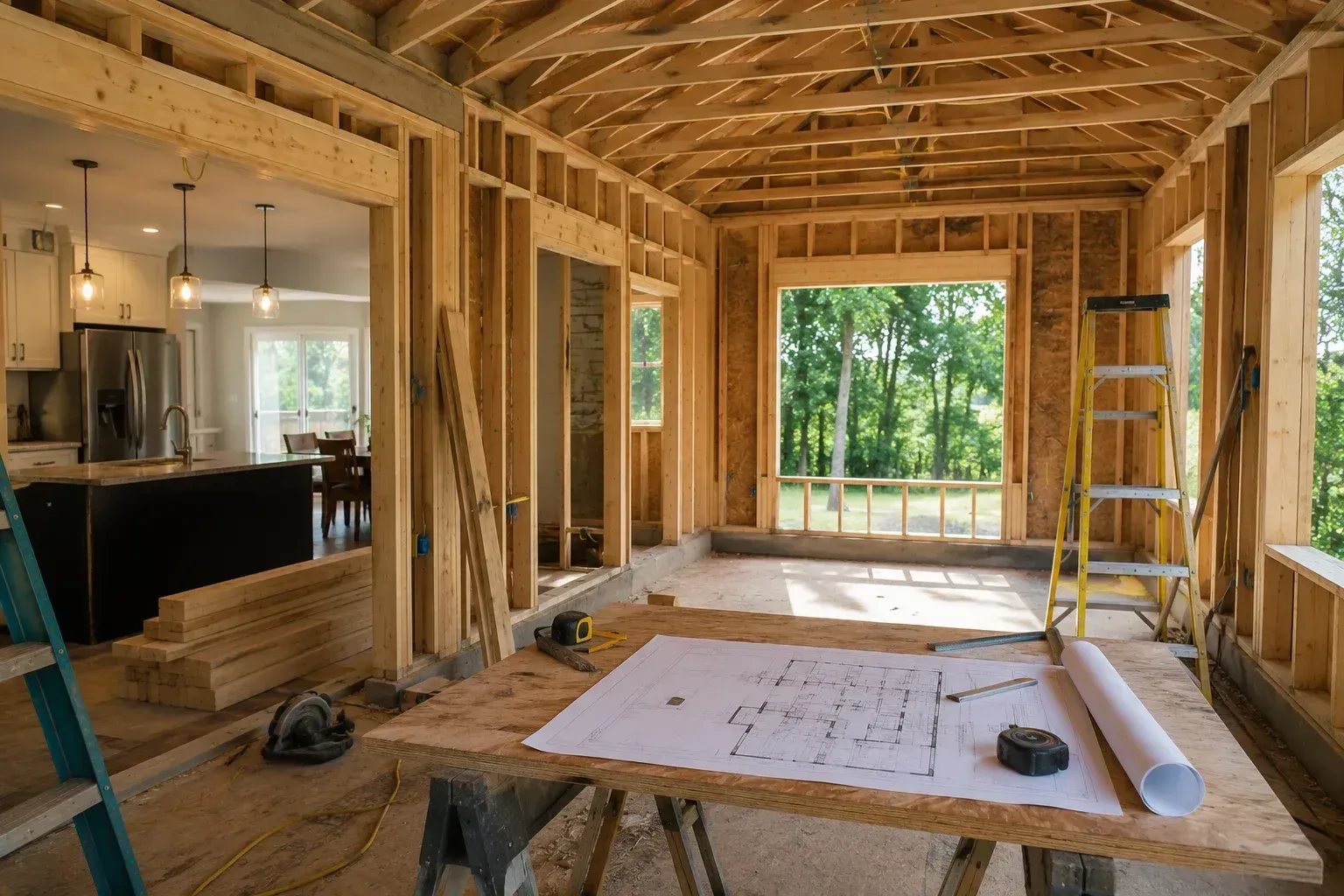
- Framing — building the structural shell of the addition
- Mechanical, electrical, and plumbing — rough-in work for these systems
- Insulation and drywall — enclosing the space
- Finish work — flooring, painting, trim, and fixtures
- Final inspection — confirming the completed work meets code
Each stage depends on the one before it, so a delay early in the process can shift the timeline for everything that follows.
How to Plan Around a Realistic Timeline
Homeowners working with a Jefferson City construction team can benefit from asking for a stage-by-stage timeline estimate rather than a single overall number. This makes it easier to understand which phases carry more schedule risk than others.
Building in some flexibility for permitting and weather-related delays, rather than working backward from a fixed date, tends to reduce stress if adjustments become necessary.
Conclusion
Home addition timelines in Jefferson City, Missouri depend on a combination of design complexity, permitting requirements, weather conditions, material availability, and construction scope. There isn't a single timeline that applies to every project, since these factors interact differently depending on the specific addition.
Understanding the general stages of the building process, along with the variables that can affect scheduling, helps set realistic expectations from the start. This kind of planning supports better decision-making throughout the project.
Want to Talk Through Your Project Timeline?
If you're considering a home addition and want a clearer sense of what the timeline might look like for your specific project, a conversation early on can help. This isn't a sales pitch or a promise of a specific completion date, just a chance to ask questions relevant to your situation.
You can contact our team to schedule a discovery conversation. There's no obligation to move forward, and no guarantees are made about timing or cost. The goal is to help you plan with better information.
Frequently Asked Questions
How long does a small home addition typically take?
A smaller addition, such as a single room without major structural changes, generally takes less time than a larger project, though exact timing depends on permitting and design factors specific to the project.
Does winter weather in Missouri delay home addition construction?
Winter weather can affect certain outdoor phases like foundation work and framing. Interior work is less affected once the structure is enclosed, but early-stage delays are possible during colder months.
How long does permitting take for a home addition in Jefferson City?
Permitting timelines vary based on project scope and current review office workload. Simpler projects tend to move through review faster than those requiring structural engineering review.
Can I speed up my home addition timeline?
Having a clear design ready early, submitting complete permit documentation, and confirming material lead times in advance can help avoid unnecessary delays, though some factors like weather remain outside anyone's control.
Does a home addition require a new foundation?
It depends on the design. Some additions build on an existing foundation, while others require new foundation work, which generally adds time compared to building on an existing structure.
What causes the most common delays in home addition projects?
Common delays include permitting review times, weather during site work and framing, and material lead times for custom items like windows or specialty finishes.
Should I set a fixed move-in date before construction begins?
Setting a fixed date can create unnecessary pressure if delays occur. It's generally more practical to plan around a timeline range and build in flexibility for permitting and weather-related factors.
Related Posts