How Can Design-Build Services Save Time and Construction Costs?
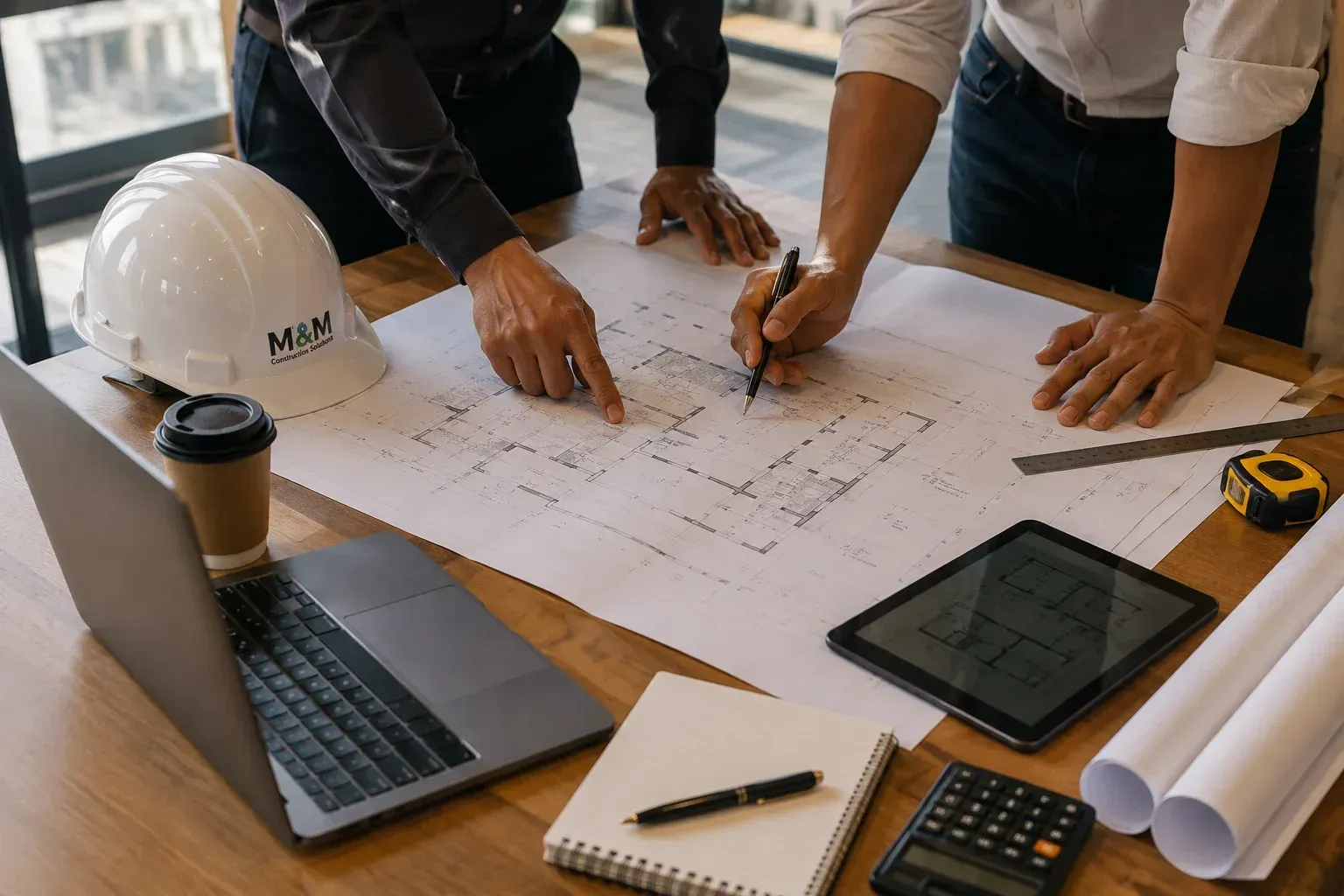
Table of Contents
- What Is the Design-Build Process?
- How Design-Build Differs From Traditional Construction
- How This Approach Can Save Time
- How This Approach Can Help Control Costs
- Where Design-Build Works Well
- Limitations and Considerations
- Questions to Ask Before Choosing Design-Build
- Conclusion
- Frequently Asked Questions
Key Takeaways
- Design-build services combine design and construction under one team, which can reduce the number of communication gaps between phases.
- This approach often shortens overall project timelines since design and permitting work can overlap with early construction planning.
- Cost estimates tend to be more consistent because the same team is responsible for both the design and the build.
- Design-build isn't the right fit for every project, and traditional bidding still has advantages in certain situations.
- Understanding how the process works helps set realistic expectations before committing to a project delivery method.
Introduction
Design-build services can save time and reduce cost fluctuations because one team manages both the design and construction phases instead of passing the project between separate firms. This structure allows overlapping work and fewer miscommunications, though it doesn't remove every risk from a project.
For homeowners and business owners in California, MO, choosing a project delivery method is one of the first real decisions in any construction or remodeling plan. It affects how the budget is built, how long the project takes, and who is accountable when questions come up mid-project.
This article explains how design-build works, where it tends to help, and where it has limits, so you can weigh it against other options with a clearer picture.
What Is the Design-Build Process?
Design-build is a project delivery method where one company handles both the design and the construction work, rather than hiring a separate architect and a separate contractor. The same team that draws the plans is also the team that builds them.
This structure means design decisions are made with construction realities in mind from the start. A designer working alongside a builder is more likely to catch a costly detail early, before it becomes a change order later.
Many companies offering
construction services
use design-build for projects ranging from home additions to larger commercial builds, though the specific process can vary by company.
How Design-Build Differs From Traditional Construction
In traditional construction, an owner hires an architect to complete the design, then puts the finished plans out for bid to separate contractors. This creates a clear separation between design and construction responsibilities.
Design-build removes that separation. Instead of a linear handoff, design and early construction planning often happen at the same time, with regular communication between the design and build sides of the team.
Single Point of Accountability
One practical difference is accountability. In traditional delivery, if a design flaw causes a construction problem, it can be unclear whether the architect or the contractor is responsible. In design-build, one team owns the outcome of both phases.
How This Approach Can Save Time
Time savings in design-build usually come from overlapping work rather than skipping steps. While design details are still being finalized, early construction tasks like permitting research, site work planning, or material sourcing can begin.
This doesn't mean projects move without limits. Permitting timelines, material availability, and inspection scheduling still apply regardless of delivery method. Design-build simply reduces some of the back-and-forth that can slow down a traditional design-then-bid process.
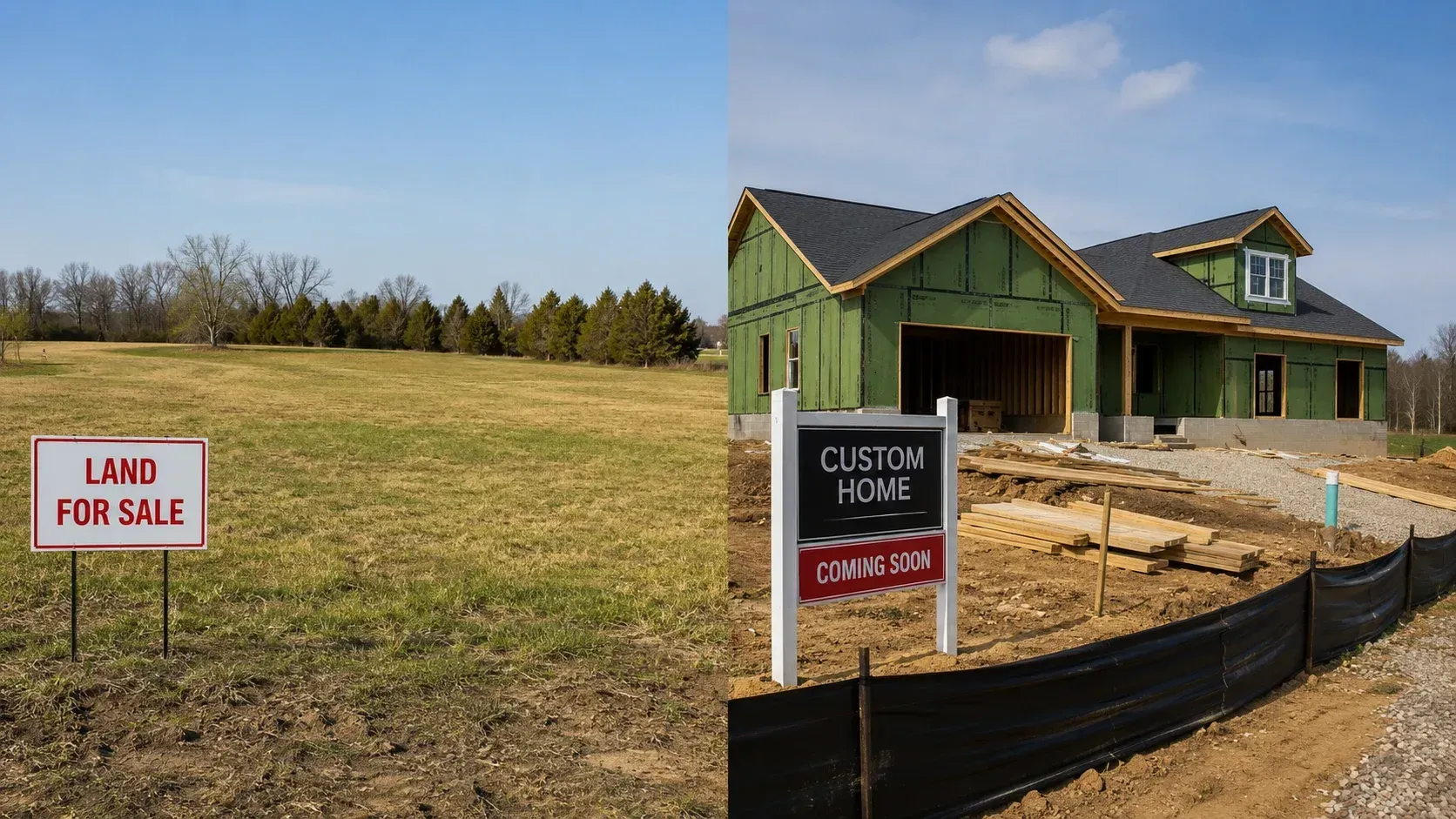
For
new construction projects, this overlap can be especially useful, since site work and foundation planning often need to start before every interior detail is finalized.
How This Approach Can Help Control Costs
Cost control under design-build often comes from earlier and more consistent budget input. Because the design team and construction team communicate throughout the process, cost estimates can be checked against design choices before they're finalized, not after.
This doesn't guarantee a lower final cost. It does tend to reduce the number of surprise expenses that come from a design detail that wasn't practical to build as originally drawn.
Fewer Change Orders From Miscommunication
A common source of cost overruns in traditional construction is a change order caused by a design and construction team not communicating clearly. Since design-build keeps both functions under one roof, this specific type of miscommunication is less likely, though not impossible.
Where Design-Build Works Well
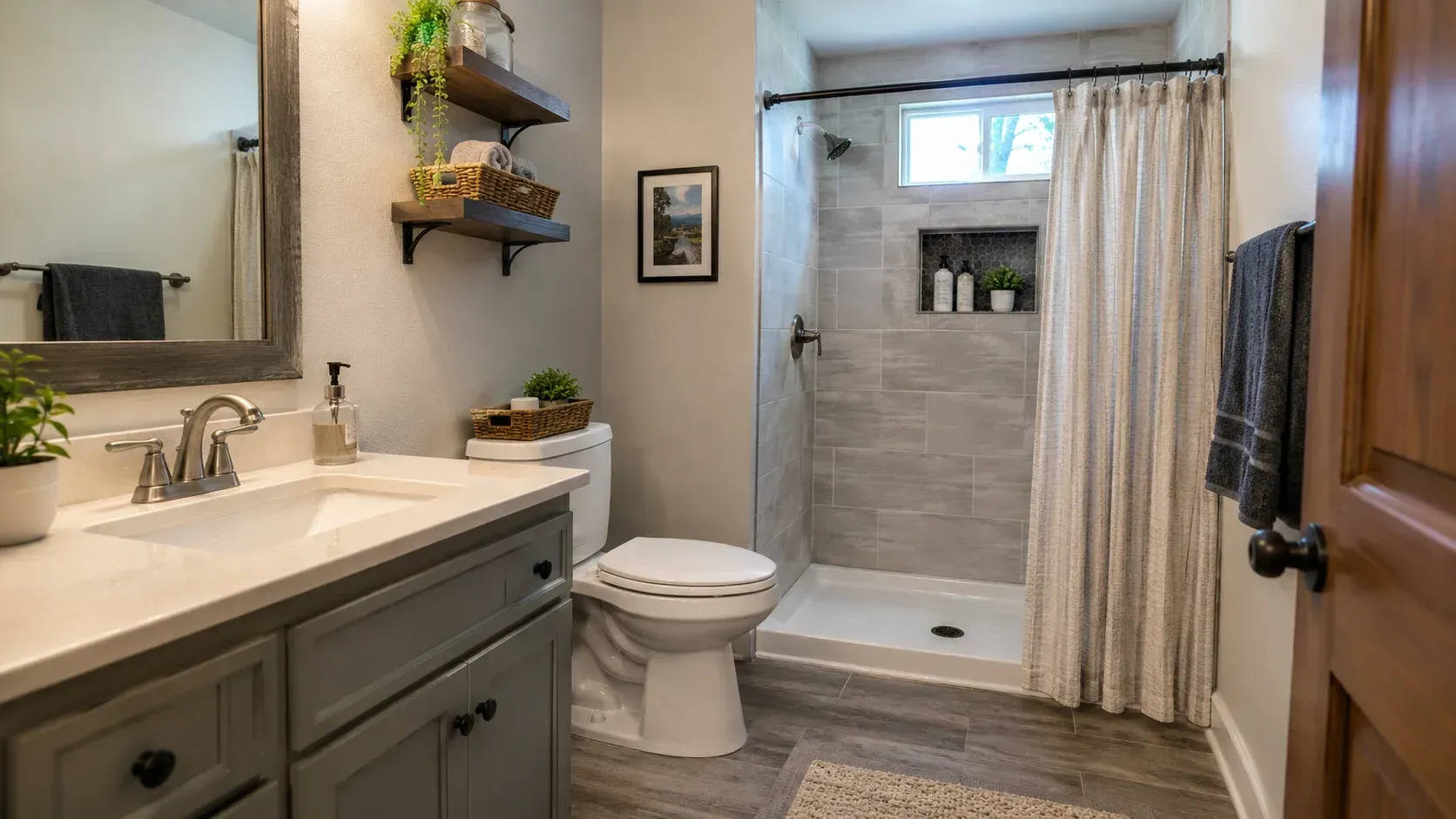
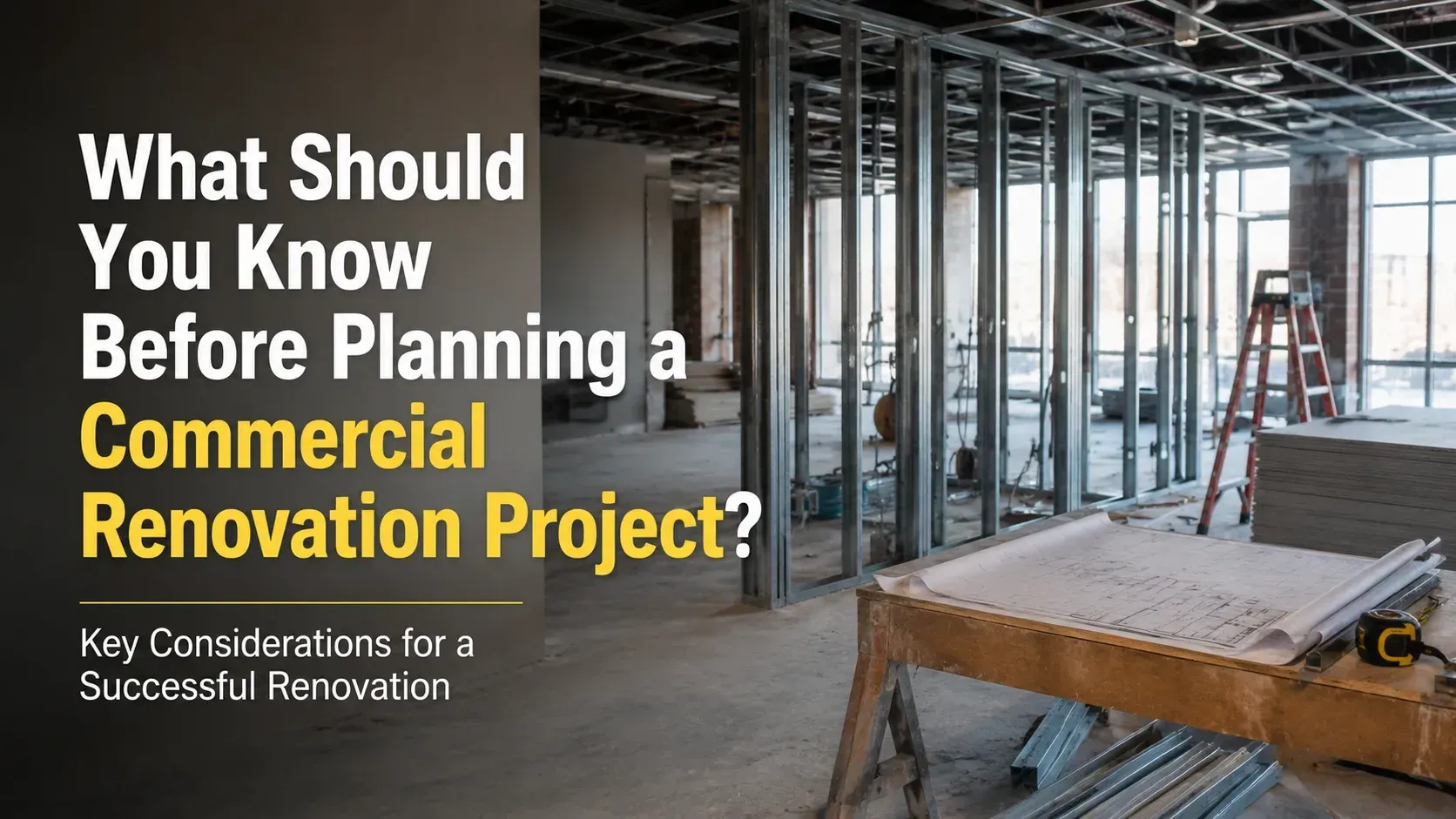
Design-build tends to work well for projects where the owner wants a single point of contact and values a more collaborative planning process. This includes many home additions, kitchen and bathroom remodels, and small to mid-sized commercial renovations.
It can also be useful for
residential remodeling
projects where the scope may shift slightly as the design develops, since the same team can adjust construction planning without renegotiating with a separate contractor.
Limitations and Considerations
Design-build is not automatically the better choice for every project. Some owners prefer the separation of design-then-bid because it allows them to compare pricing from multiple contractors after the design is complete.
There are also fewer independent checks in design-build, since the same company is responsible for both design and construction decisions. Some owners address this by bringing in a third-party reviewer for larger projects.
Cost savings and time savings from design-build are not guaranteed outcomes. They depend on the complexity of the project, the experience of the team, and how clearly the scope is defined from the beginning.
Questions to Ask Before Choosing Design-Build
Before selecting a design-build team, it can help to ask:
- How is the budget tracked and communicated as design decisions are made?
- What happens if a design change affects the previously agreed-upon cost?
- Who reviews the design for code compliance and constructability?
- How are timelines adjusted if permitting takes longer than expected?
- What is included in the initial design fee versus construction costs?
These questions help clarify expectations and reduce the chance of confusion once the project is underway.
Questions to Ask Before You Begin
Before signing a contract, it can help to ask:
- What is included in the base scope, and what is considered an add-on?
- How are unforeseen conditions handled if walls or ceilings reveal issues?
- What is the estimated timeline for permitting in this jurisdiction?
- How will the business remain operational, if at all, during construction?
- What is the process for requesting a change after work begins?
These questions won't guarantee a smooth project, but they help set expectations that match reality.
Conclusion
Design-build services combine design and construction responsibilities under one team, which can lead to faster timelines and more consistent budgeting compared to traditional delivery methods. These benefits come from better coordination, not from skipping necessary steps like permitting or inspections.
This approach isn't a fit for every project or every owner's preferences. Understanding how it works, along with its limitations, makes it easier to decide whether it aligns with your goals for a specific project.
Want to Learn More About Your Options?
If you're weighing design-build against other project delivery methods, a conversation early on can help clarify which approach fits your specific situation. This isn't a sales pitch, just an opportunity to ask questions and get information relevant to your project.
You can
contact our team
to schedule a discovery conversation. There's no obligation to move forward, and no promises are made about the final cost or timeline. The goal is simply to help you make a more informed decision.
Frequently Asked Questions
Is design-build more expensive than traditional construction?
Not necessarily. Cost depends on the project's complexity and the specific team involved. Design-build can reduce certain cost surprises, but it isn't automatically cheaper than a design-then-bid approach.
Does design-build mean I have less say in the design?
No. Owners are still involved in design decisions throughout the process. The difference is that the same team handles both design and construction, rather than passing the project between separate companies.
Can I still get multiple bids with design-build?
Typically, no. Since one company handles both design and construction, there isn't a separate bidding phase after the design is complete, which is a key difference from traditional delivery.
Is design-build only used for large projects?
No. It's used for a range of project sizes, from home additions and remodels to larger commercial renovations. The delivery method itself isn't limited by project size.
How do I know if design-build is right for my project?
It depends on your priorities, such as whether you value a single point of contact, faster coordination, or the ability to compare multiple contractor bids after design completion.
What happens if I'm not satisfied with the design during a design-build project?
Most design-build agreements include a design phase with review points before construction begins, allowing for adjustments. The specific process varies by company, so it's worth asking before signing an agreement.
Does design-build eliminate the need for permits or inspections?
No. Permitting and inspection requirements still apply regardless of the project delivery method. Design-build affects coordination and communication, not regulatory requirements.
Related Posts