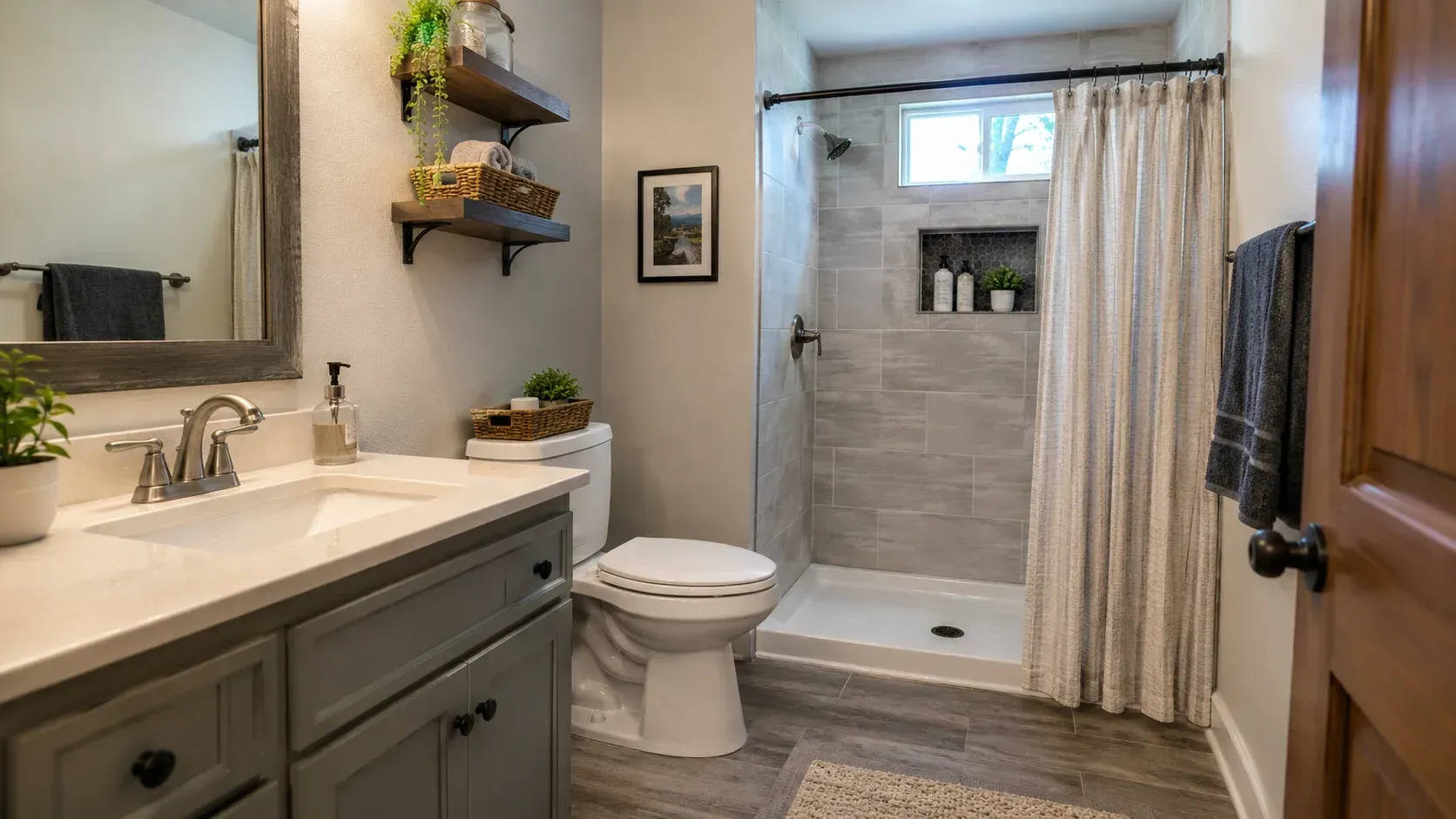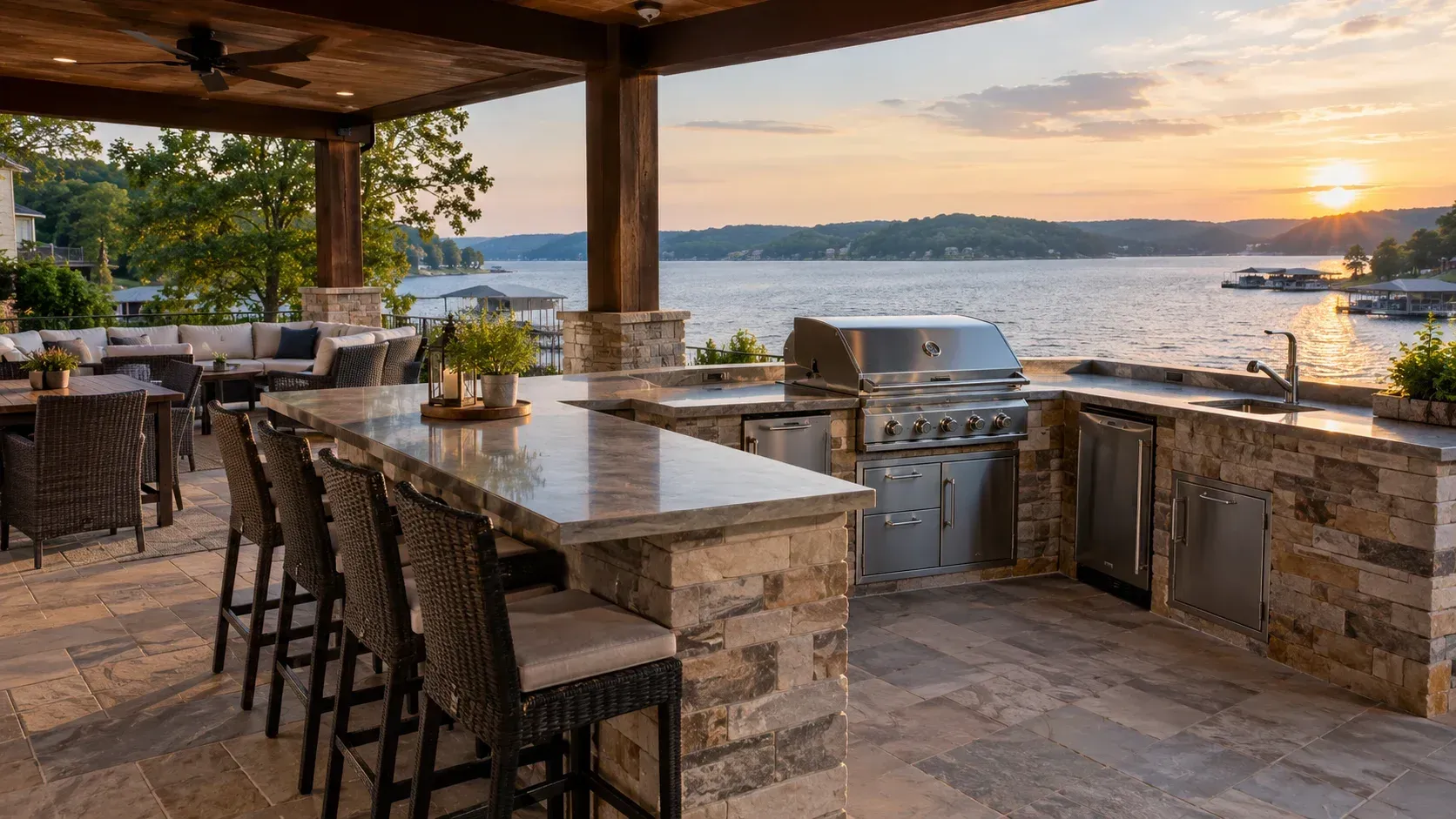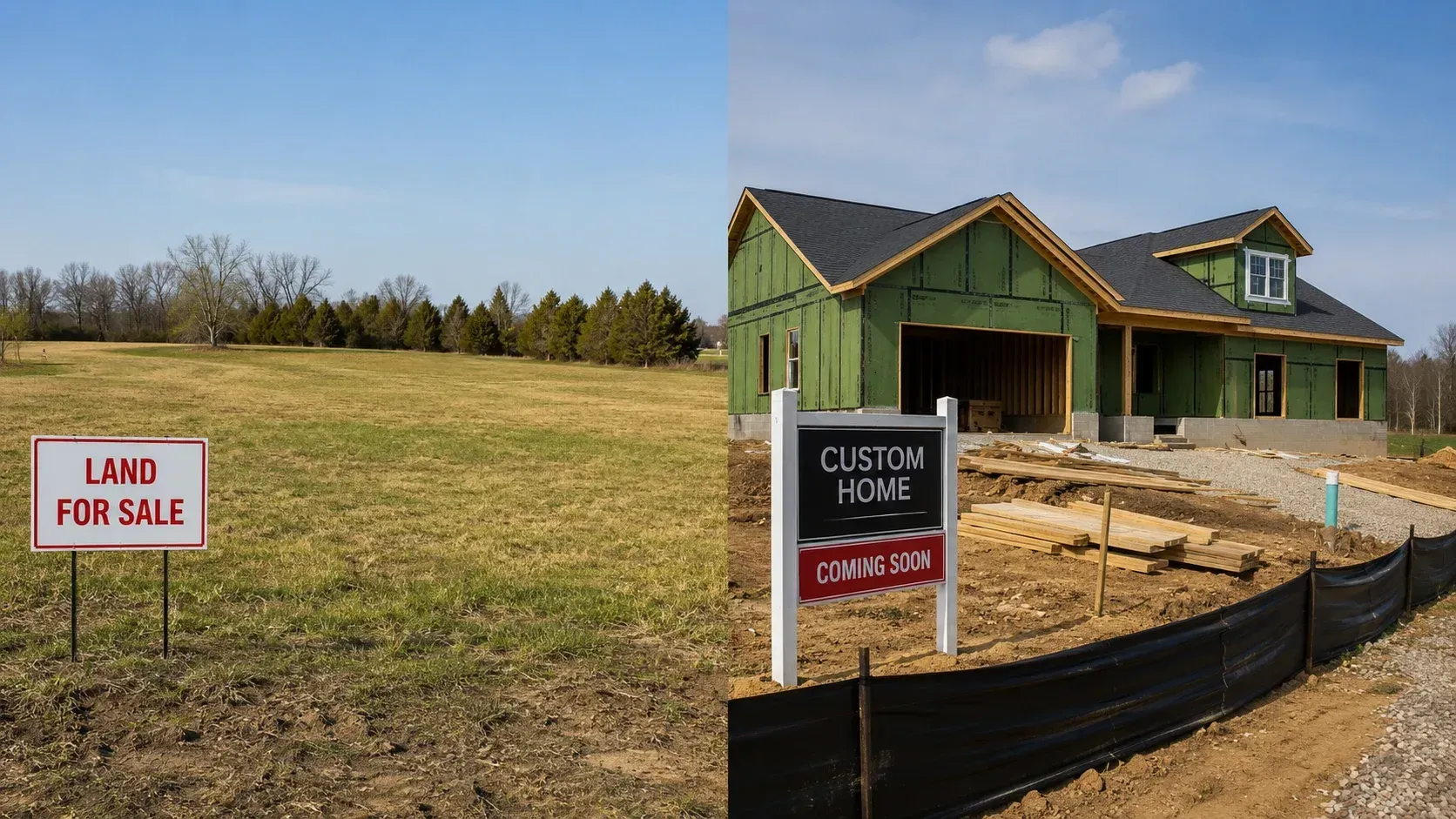
What Is the Home Remodeling Process and What Should Homeowners Expect?
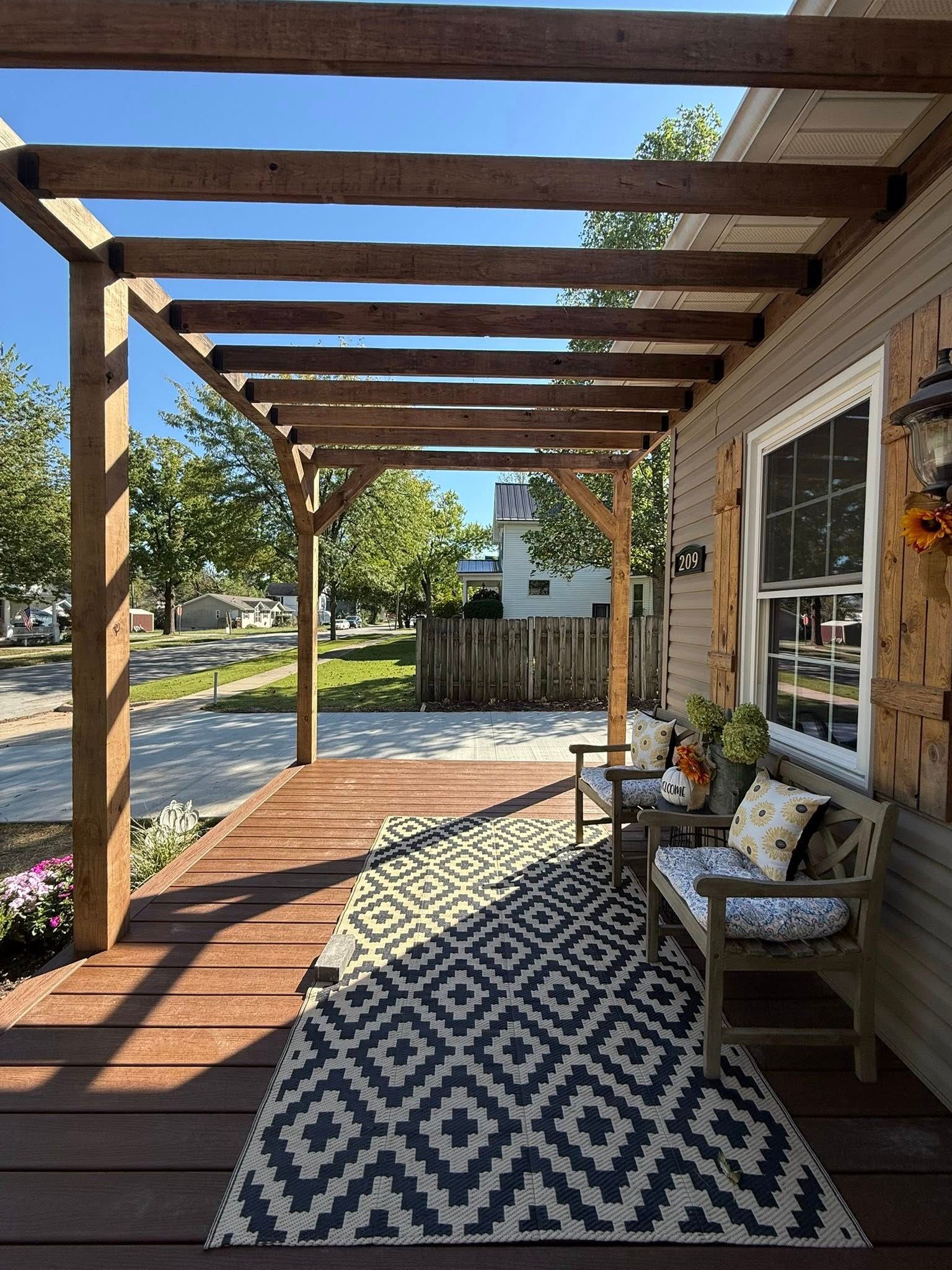
Table of Contents
- Introduction
- Planning and Assessment: Getting the Scope Right First
- Design and Material Selection
- Permits and Code Requirements
- Construction, Inspections, and What Usually Gets Discovered
- Final Walkthrough and Closeout
- Planning a Remodel?
- Frequently Asked Questions
Key Takeaways
- Remodeling works within an existing structure, which introduces variables new construction doesn't have, and that's the biggest reason timelines and scope can shift mid-project.
- A budget range, not a fixed number, better reflects how remodeling costs actually behave once work starts.
- Most structural, electrical, and plumbing changes require a permit, and permitting timelines vary by county and municipality in Mid-Missouri.
- Demolition is the point in a project most likely to turn up something unplanned, like water damage or outdated wiring, and that's a normal part of the process rather than a sign something went wrong.
- The final walkthrough is when workmanship, system operation, and documentation (warranties, manuals, inspection approvals) should all be reviewed together, not assumed to be in order.
Introduction
A home remodel moves through a fairly consistent sequence, planning and assessment, design, permitting, construction, inspection, and closeout, and understanding that sequence ahead of time makes it easier to anticipate costs, timelines, and decision points rather than being surprised by them. Unlike new construction, remodeling works within an existing structure, which introduces limitations and variables that have to be managed as the project moves forward, and that's true whether the project is a single room or a full-home renovation.
For homeowners in Mid-Missouri, that variability also has local pieces to it: permitting timelines differ by county and municipality, and weather affects any phase of a project that touches the exterior. What follows walks through each stage of a typical residential remodeling project and what tends to happen at each one.
Planning and Assessment: Getting the Scope Right First
The first stage is identifying the actual goals and scope of the project, which shapes every decision after it. A useful habit here is setting a budget range rather than a fixed figure, since conditions found once work starts can shift costs in either direction. Rushing this stage to get to design work sooner is one of the more common reasons scope changes mid-project.
Design and Material Selection
Design development turns the initial goals into workable plans, floor plans, elevations, and technical drawings that a contractor can actually build from. Material selection happens alongside this and involves weighing durability, maintenance, and cost against appearance, the same durability-versus-cost tradeoffs that come up in a room-specific project like a kitchen remodel.
Permits and Code Requirements
Most projects involving structural changes, electrical work, or plumbing require a permit, and building codes exist to protect safety and confirm minimum standards are met, not as an optional formality. Permitting requirements and timelines vary by project scope and by which local building department is involved. A full breakdown of what typically requires a permit in Mid-Missouri, and how long that process tends to take, is covered in this guide to remodeling permits.
Construction, Inspections, and What Usually Gets Discovered
Construction generally moves through three stages: site preparation and demolition, structural and system updates, and interior finish work. Demolition is the stage most likely to turn up something unplanned, like water damage, outdated wiring, or a structural issue that wasn't visible before the walls came open, and discoveries at this point may mean reassessing scope or materials rather than a sign the project has gone wrong.
Inspections happen at various points to verify code compliance, and quality checks along the way catch issues like alignment problems, incomplete installations, or finish inconsistencies before they get built over.
Final Walkthrough and Closeout
The final walkthrough is the point to review workmanship and system operation together, and to collect the documentation that matters after the project is done: warranties, manuals, and inspection approvals. Treating this as a real review rather than a formality is what catches small issues before they become the homeowner's problem to fix later.
Planning a Remodel?
Understanding the process ahead of time makes it easier to plan around.
Contact us to talk through scope, timeline, and what to expect for your specific project.
Frequently Asked Questions
How long does the home remodeling process usually take?
It varies by scope and permitting requirements. Smaller projects can take a few weeks, while larger remodels commonly extend several months.
Do all remodeling projects require permits?
Many do, especially anything involving structural changes or electrical and plumbing work. Requirements are set by the local building department and vary by project.
What happens if issues are found during demolition?
Discovering hidden conditions like water damage or outdated wiring is common and may require adjusting the design or budget rather than being a sign of a problem with the plan.
Can I live in the house during a remodel?
Often, yes, depending on which areas are affected, though noise, dust, and limited access to parts of the home are common during active construction.
What should I review during the final walkthrough?
Workmanship, system operation, and documentation like warranties, manuals, and inspection approvals should all be reviewed together to confirm the finished work matches the approved plans.
Related Posts