Why Kitchen Remodeling Is One of the Most Valuable Upgrades for Homes
Table of Contents
- What Actually Determines Whether a Kitchen Remodel Pays Off
- The Upgrades That Add Value vs. the Ones That Just Look Good
- Where Budgets Usually Go Wrong
- Cosmetic Refresh or Full Remodel: How to Decide
- Planning in the Right Order
- Thinking Through a Kitchen Remodel?
- Frequently Asked Questions
Key Takeaways
- A kitchen remodel pays off when it improves how the space functions, not just how it photographs. Layout and workflow problems matter more to long-term value than finish trends.
- Kitchen and bathroom projects are consistently among the home improvements that recover more of their cost than most other renovations, though the exact return depends on the local market, the scope of work, and how the project compares to similar homes nearby.
- The upgrades that tend to hold value (quality cabinetry, updated electrical and plumbing behind the walls, durable countertops) are the ones buyers and appraisers notice even if they're the least exciting part of the project.
- Underestimating what's behind the walls, not the finishes, is the most common budgeting mistake in a kitchen remodel.
- Layout decisions should be finalized before finishes are chosen, since moving plumbing, gas lines, or electrical changes the rest of the plan.
What Actually Determines Whether a Kitchen Remodel Pays Off
A kitchen remodel is worth it when it solves a real functional problem, whether that's a layout that doesn't work for how the household actually cooks and gathers, cabinetry that's run out of usable storage, or systems (electrical, plumbing) that are outdated enough to limit what the kitchen can do. Remodels driven mainly by wanting a different look tend to satisfy less over time than ones that fix an actual daily frustration.
Kitchens and bathrooms are consistently cited among the home improvement categories that recover a larger share of their cost at resale than most other renovations, which is part of why they're often the first rooms homeowners consider. That said, the return varies by market, by how much of the project is structural versus cosmetic, and by whether the finished kitchen fits the general expectations for homes in that price range and area. A remodel that significantly outpaces what similar homes nearby have doesn't always return the difference in resale value, which is worth keeping in mind when deciding how far to take the project.
The Upgrades That Add Value vs. the Ones That Just Look Good
Tend to hold value:
- A layout that improves actual workflow (getting the sink, stove, and refrigerator into a workable arrangement, adding usable counter space near the cooking area)
- Quality, well-built cabinetry, since it's one of the first things buyers and inspectors notice and one of the more expensive things to replace later
- Durable countertop materials that hold up to daily use
- Updated electrical capacity for modern appliances, and plumbing that's in good working condition, even though neither is visible once the walls are closed up
Tend to be more about personal taste than lasting value:
- Highly specific color choices or design trends that may not appeal to the next buyer
- Extremely high-end finishes that outpace what's typical for the neighborhood
- Features chosen for how they photograph rather than how they're actually used day to day
None of this means personal style shouldn't factor in. It's a home to live in, not just an investment. It's worth knowing which choices are mostly for the current owner's enjoyment and which ones are likely to matter to a future buyer, so the budget can be allocated with that distinction in mind.
Where Budgets Usually Go Wrong
The most common budgeting mistake isn't overspending on finishes. It's underestimating what's involved in the parts of the kitchen nobody sees once the project is done:
- Moving plumbing or gas lines for a new layout, which is more involved (and more expensive) than most homeowners expect going in
- Electrical work needed to support new appliances, especially in older homes wired for a different era of kitchen use
- Structural changes, like removing a wall to open up the kitchen, which may require additional support that wasn't part of the original estimate
A realistic budget accounts for these before finishes are chosen, not after a surprise mid-project.
Cosmetic Refresh or Full Remodel: How to Decide
Not every kitchen needs a full gut renovation to feel and function differently. A useful way to think about scope:
- A cosmetic refresh (new countertops, cabinet fronts or paint, updated hardware and lighting) makes sense when the layout already works and the systems behind the walls are in good condition.
- A full remodel makes more sense when the layout itself is the problem, or when the electrical and plumbing are old enough that they'd need attention regardless of what happens to the finishes.
Homes with plans to sell within a year or two also tend to benefit more from a cosmetic refresh than a full remodel, since a lighter update can meaningfully improve first impressions without the cost and timeline of a full renovation.
Planning in the Right Order
The layout should be settled before any finish decisions are made, since where the sink, stove, and appliances go determines where plumbing and electrical need to run, and changing that later usually means undoing finished work. A reasonable planning order looks like:
- Decide on layout and any structural changes first
- Confirm what that means for plumbing, gas, and electrical
- Choose cabinetry and countertops
- Select finishes, fixtures, and lighting last
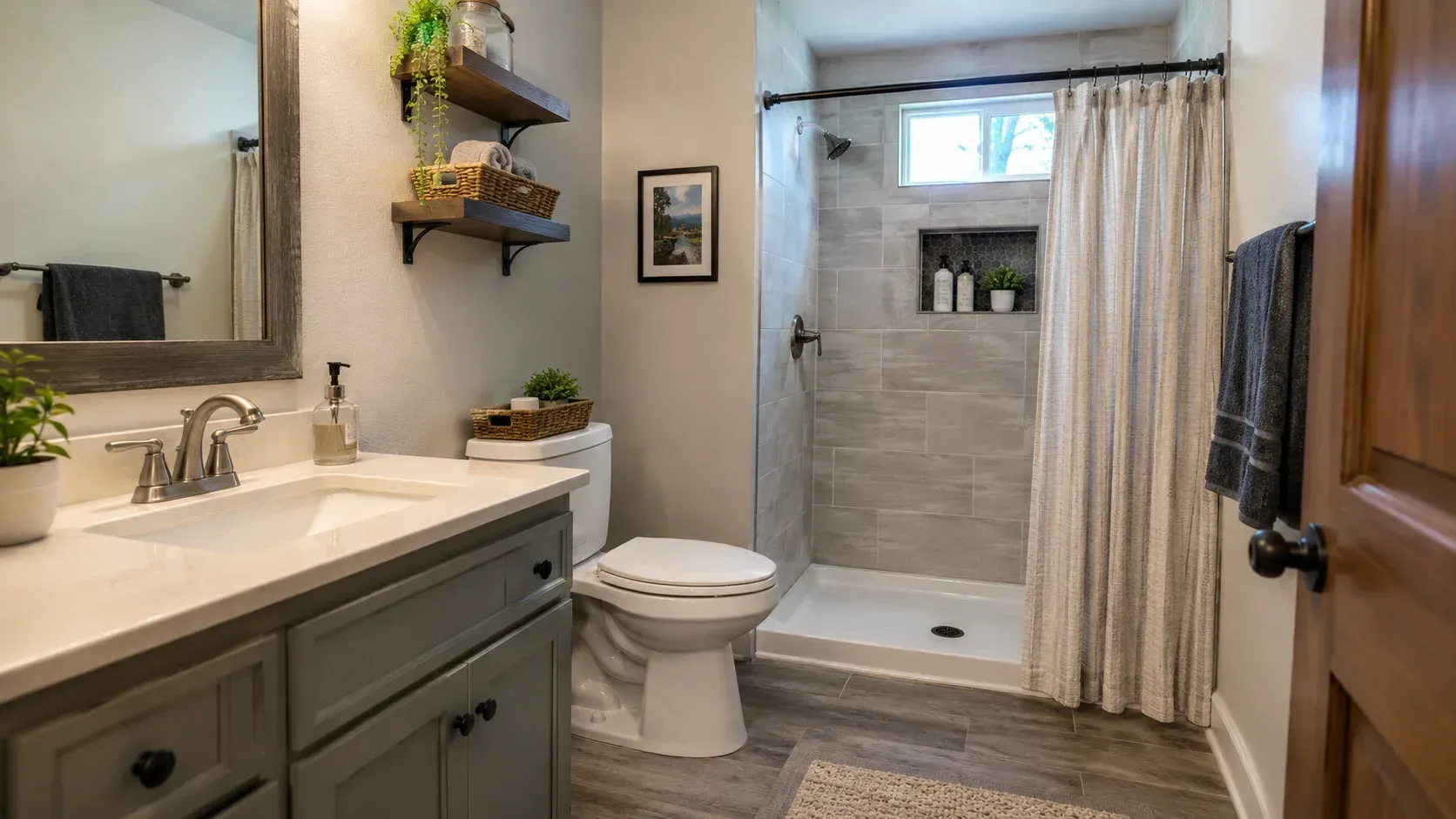
Homeowners weighing whether their kitchen needs this level of work, or something lighter, may also find it useful to think about which room actually needs attention first. For households considering a bathroom project alongside the kitchen, the same layout-before-finishes logic applies there too.
Thinking Through a Kitchen Remodel?
If the layout, budget, or scope questions above are pointing toward a bigger project, our
kitchen remodeling team can walk through what makes sense for your home and your goals.
Contact us to get started.
Frequently Asked Questions
Is a kitchen remodel worth the investment?
It generally is when it fixes a real functional problem, like a poor layout or outdated systems, rather than just changing the look. Kitchens are consistently among the renovations that recover more of their cost at resale than many other home improvements.
What kitchen upgrades add the most value?
Layout improvements, quality cabinetry, durable countertops, and updated electrical or plumbing tend to matter most to future buyers, even though some of that work isn't visible once it's finished.
Should I do a full kitchen remodel or a smaller update?
If the layout works and the systems behind the walls are in good shape, a cosmetic refresh is often enough. A full remodel makes more sense when the layout itself needs to change or the electrical and plumbing need attention anyway.
What's the biggest mistake homeowners make when budgeting a kitchen remodel?
Underestimating the cost of work behind the walls, like moving plumbing or upgrading electrical, rather than overspending on visible finishes.
What should be decided first in a kitchen remodel?
The layout. Where the sink, stove, and appliances go determines the plumbing and electrical plan, so finish decisions should come after the layout is settled, not before.
Related Posts