How Does Custom Home Construction Differ From Production Homes?
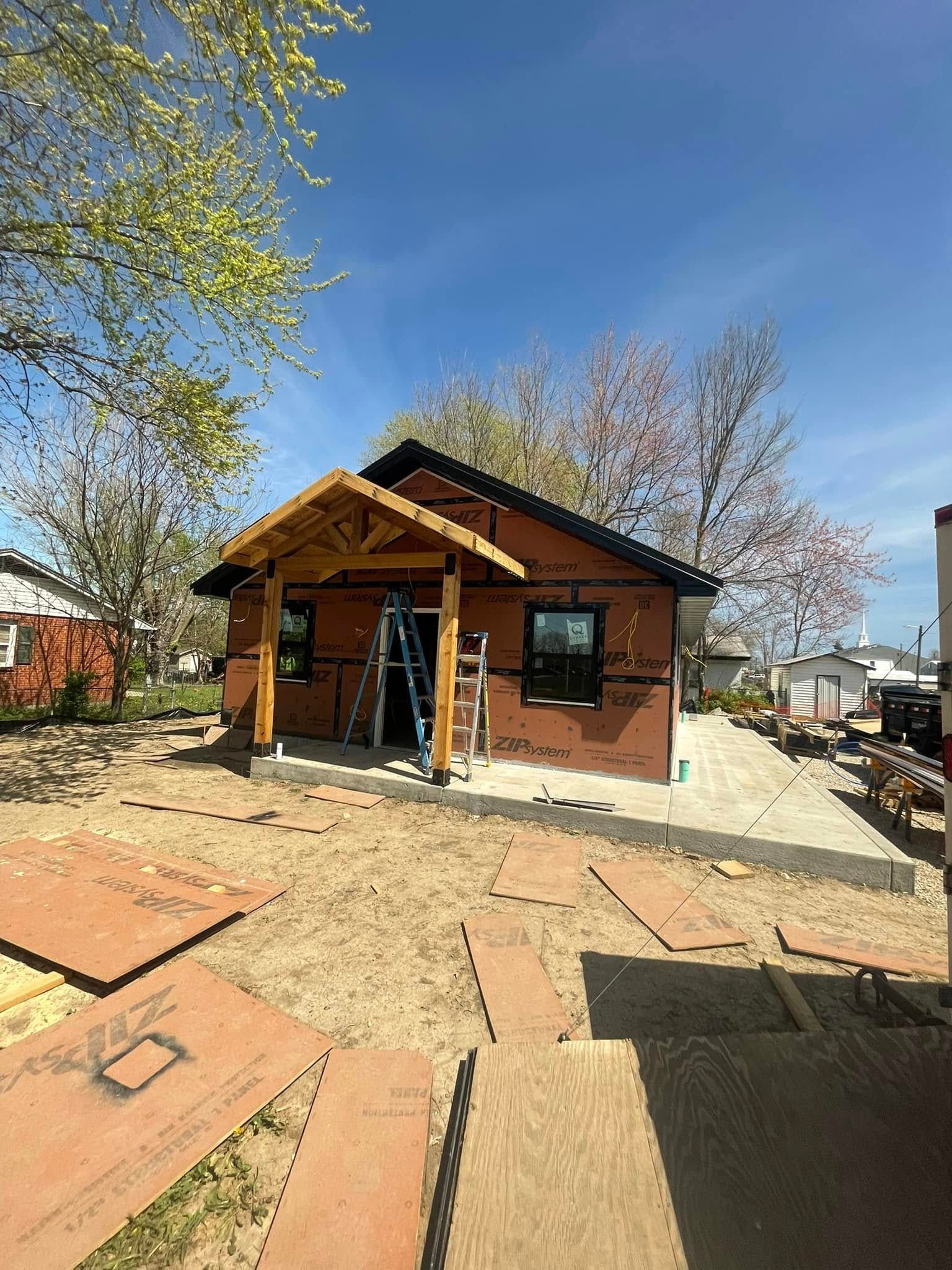
Table of Contents
- Introduction
- What Is Custom Home Construction?
- What Are Production Homes?
- Design Flexibility and Layout Options
- Material Selection and Build Quality
- Construction Timelines and Scheduling
- Homeowner Involvement and Decision-Making
- Cost Structure and Budget Considerations
- Long-Term Value, Maintenance, and Adaptability
- Potential Risks and Limitations of Each Approach
- Conclusion
- Book a Custom Home Building Consultation
- Frequently Asked Questions
Key Takeaways
- Custom home construction offers greater design flexibility, while production homes follow standardized plans.
- Material selection and finishes differ significantly between custom and production builds.
- Construction timelines vary based on design complexity, approvals, and customization level.
- Homeowner involvement is typically higher in custom home projects.
- Understanding both options helps set realistic expectations for cost, time, and decision-making.
Introduction
Custom home construction differs from production homes primarily in how the home is designed, built, and managed, as well as the level of involvement the homeowner has throughout the process. This distinction matters to prospective homeowners who want clarity around flexibility, costs, timelines, and long-term suitability for their lifestyle. For homeowners researching custom vs production homes, reviewing how builders like M & M Construction Solutions approach planning and execution can provide helpful context. Understanding these differences helps decision-makers—such as families, professionals, and property owners—evaluate which approach aligns with their priorities, budget, and expectations.
This article provides a factual, balanced explanation based on industry-standard practices rather than sales-oriented comparisons.
What Is Custom Home Construction?
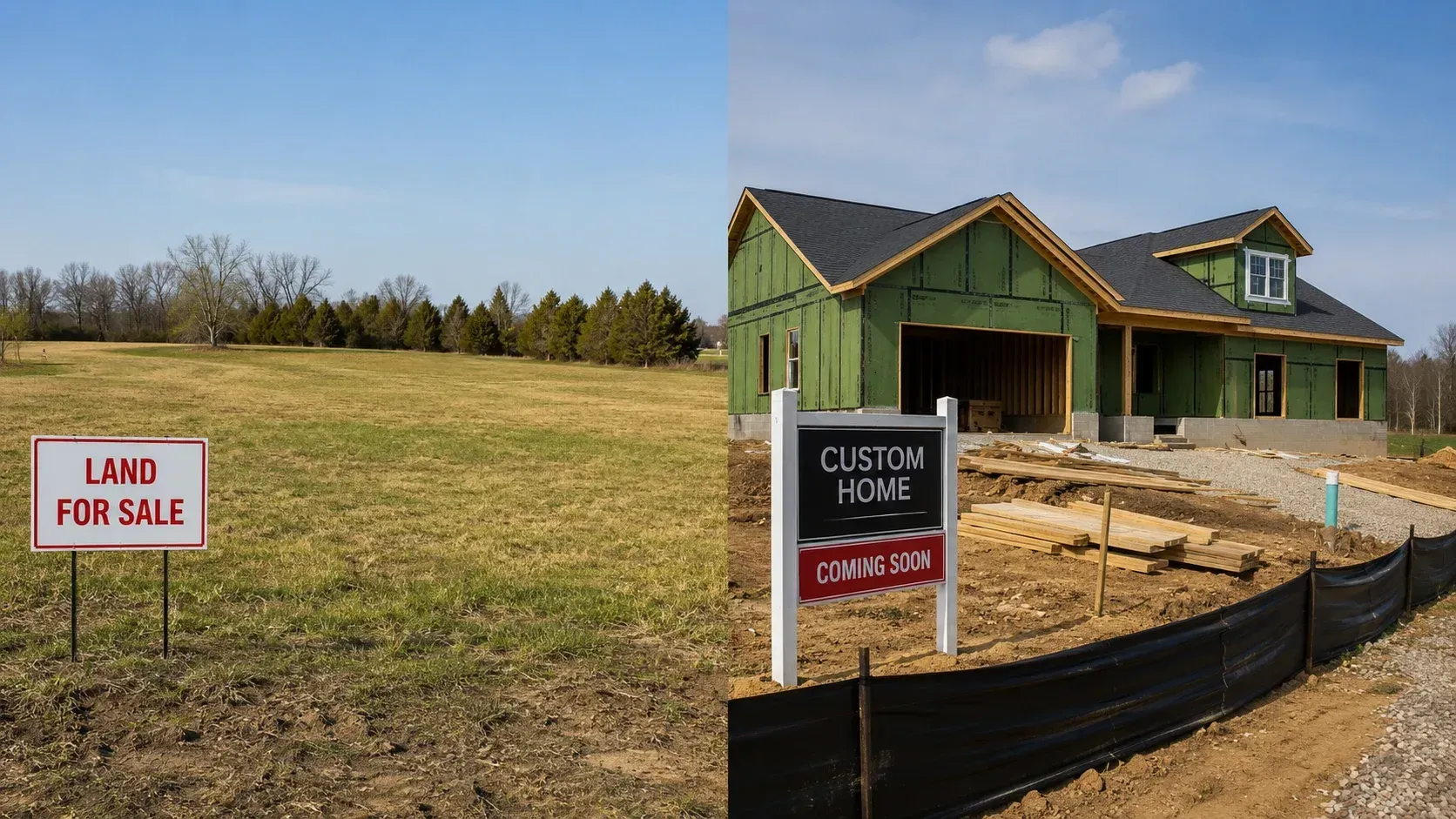
Custom home construction refers to building a residence from the ground up based on a homeowner’s specific requirements. The process typically begins with a blank slate or a conceptual design that is developed in collaboration with architects, designers, and builders experienced in custom home building.
Rather than choosing from a limited set of pre-designed floor plans, homeowners work through layout decisions, material options, and functional needs. This approach allows the home to reflect personal preferences, site conditions, and long-term plans, particularly when thoughtful custom home design principles are applied early in the process.
Custom homes are often built on individually owned lots, which may influence design decisions related to zoning, topography, and local regulations. Each project is treated as a standalone build rather than part of a larger housing development.
What Are Production Homes?
Production homes are built using standardized plans developed by large-scale builders. These homes are often constructed in planned communities where multiple houses follow similar layouts and exterior styles.
Homebuyers usually select from a set of predefined floor plans with limited customization options. Choices may include finish packages, minor layout adjustments, or upgrade tiers rather than structural changes.
This model emphasizes efficiency and consistency. Materials are often sourced in bulk, and construction teams follow repeatable processes designed to reduce variability across builds.
Design Flexibility and Layout Options
Custom Home Design
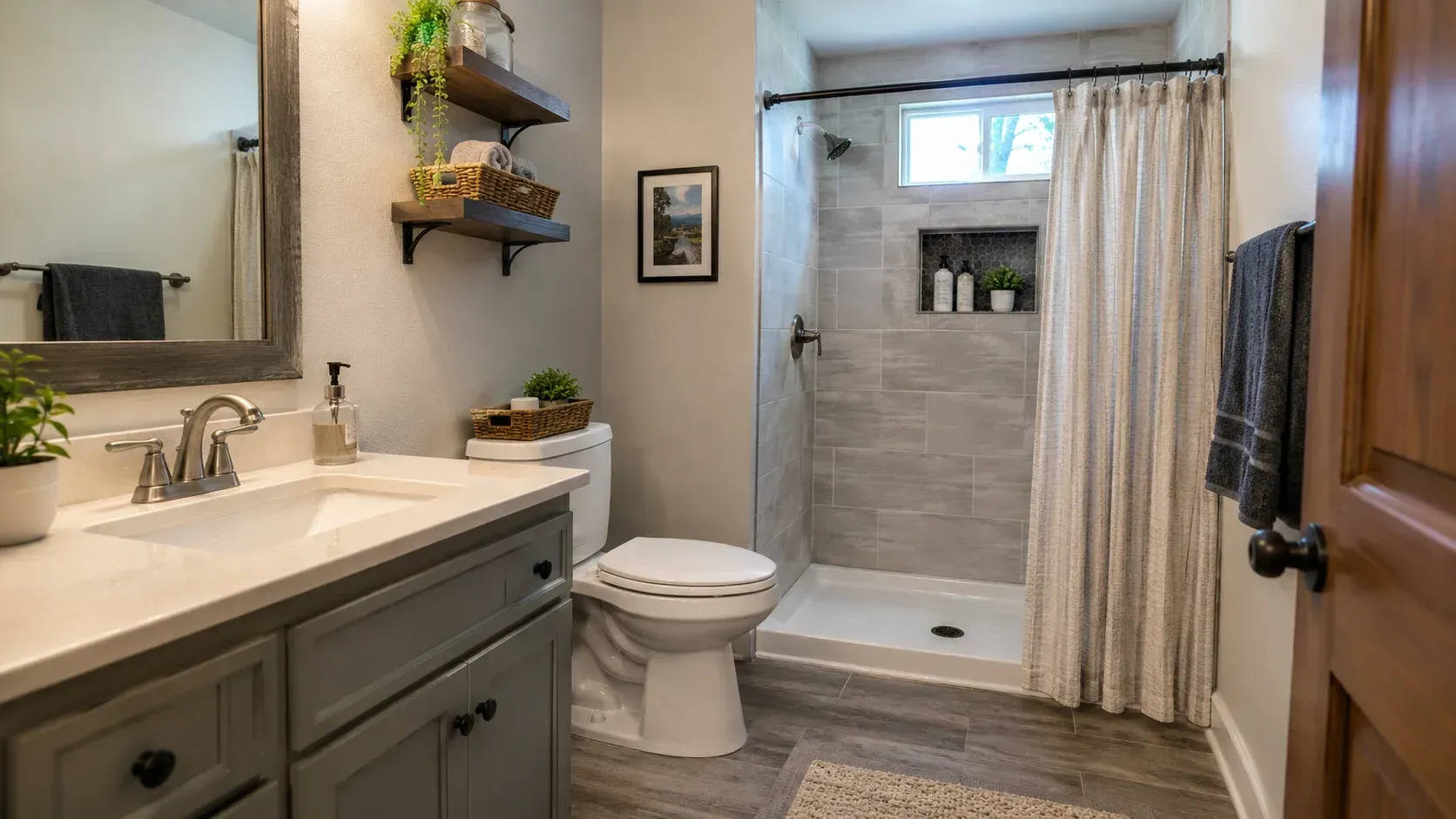
Custom home design allows for tailored layouts based on how occupants intend to use the space. Room sizes, flow between living areas, ceiling heights, and storage solutions can be adjusted to meet specific needs, especially when homeowners take time to plan a custom home build that fits their lifestyle.
Design decisions may also account for lifestyle considerations such as remote work, multi-generational living, accessibility, or future adaptability. The home’s orientation can be planned around natural light, views, and site-specific factors.
Production Home Design
Production homes rely on pre-approved layouts that are optimized for broad market appeal. While functional, these designs prioritize efficiency over personalization.
Some builders offer optional upgrades or alternate elevations, but structural changes are often limited. This can simplify decisions but may restrict the ability to address unique requirements.
Material Selection and Build Quality
Custom Home Construction Materials
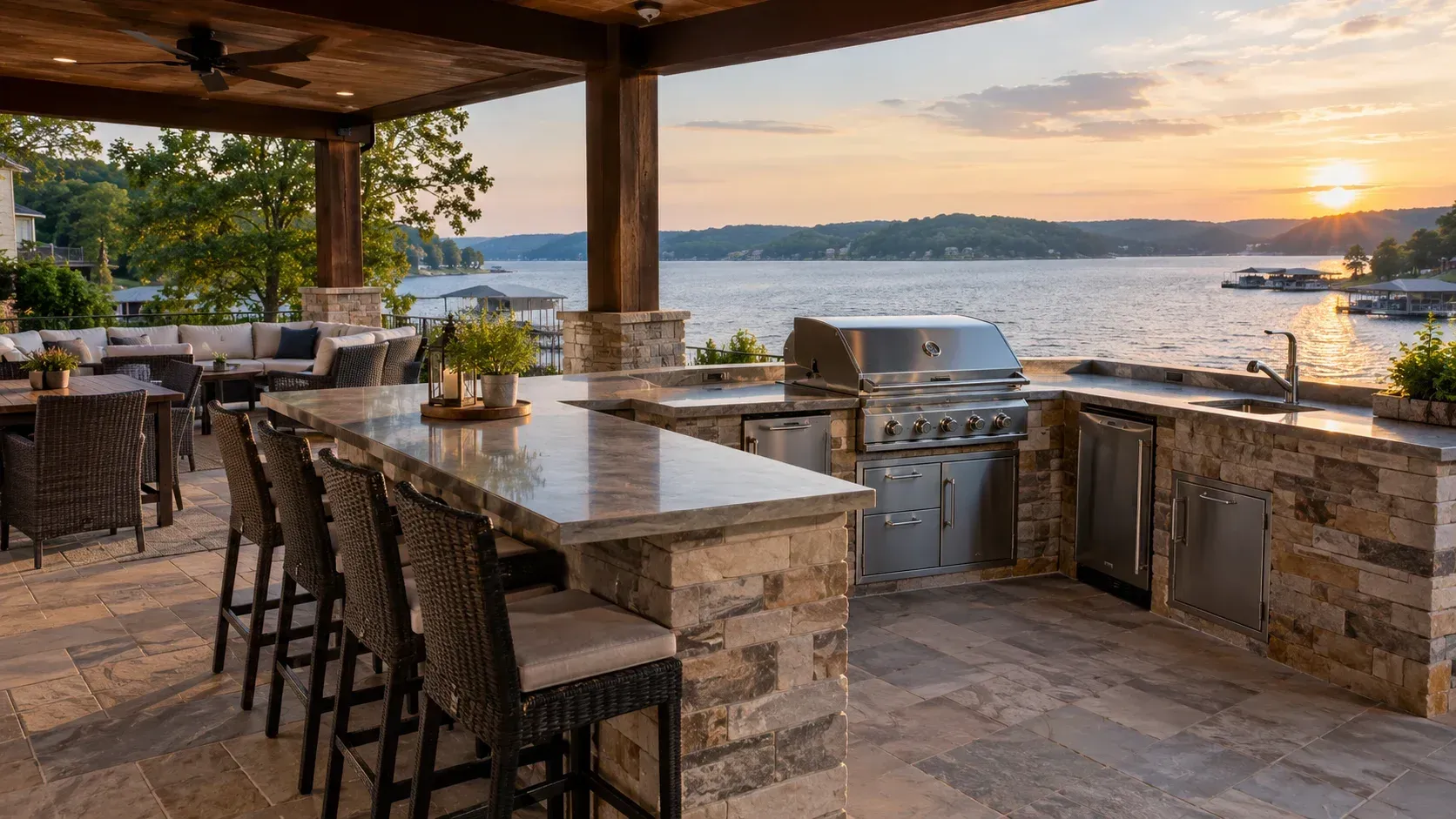
In custom home construction, material selection is typically more flexible. Homeowners may choose specific brands, grades, or performance characteristics for flooring, cabinetry, insulation, roofing, and fixtures.
This flexibility allows for alignment with durability goals, maintenance preferences, and environmental considerations. Material decisions are often made in stages, allowing for informed adjustments as the project progresses.
Production Home Materials
Production homes generally use standardized material packages selected by the builder. These materials are chosen to balance cost, availability, and consistency across multiple builds.
While materials meet applicable building codes, customization options may be limited to upgrade tiers rather than individual selections. This can reduce decision fatigue but also reduces personalization.
Construction Timelines and Scheduling
Custom Home Timelines
Custom homes typically have longer construction timelines due to the design, approval, and coordination process. Each phase—design development, permitting, and construction—can vary depending on complexity and local regulations.
Changes made during construction may also affect schedules. While this allows flexibility, it requires careful planning and communication to manage expectations.
Production Home Timelines
Production homes often follow predictable schedules because plans and processes are standardized. Permits and inspections are frequently streamlined due to repetition within the same development.
This efficiency can result in shorter build times, although external factors such as supply chain delays or weather still apply.
Homeowner Involvement and Decision-Making
Custom Homes
Homeowners are typically more involved in custom home projects. Decisions are made throughout the process, from initial design concepts to final finish selections. This involvement provides greater control but also requires time, attention, and a willingness to engage in ongoing discussions with the project team.
Production Homes
Production home buyers usually make most decisions upfront. After selections are finalized, the builder manages construction with limited homeowner input. This approach can suit individuals who prefer a more hands-off experience with fewer decision points.
Cost Structure and Budget Considerations
Custom home construction costs are influenced by design complexity, material choices, labor requirements, and site conditions. Budgets are often itemized, allowing homeowners to see how individual decisions affect overall costs.
Production homes typically have more predictable pricing due to standardized designs and bulk purchasing. Base prices are often lower, but upgrades can add to the final cost.
Neither approach inherently ensures cost efficiency; transparency and planning are key factors in managing budgets effectively.
Long-Term Value, Maintenance, and Adaptability
Custom homes can be designed with long-term use in mind. Features such as adaptable layouts, energy-efficient systems, and durable materials may support future needs and maintenance planning.
Production homes are designed to appeal to a broad market, which may support resale considerations. However, standardized layouts may be less adaptable to changing personal requirements over time.
Long-term value depends on factors such as location, construction quality, and ongoing maintenance rather than the build type alone.
Potential Risks and Limitations of Each Approach
Custom home construction carries risks related to extended timelines, decision fatigue, and coordination challenges. Clear communication and realistic expectations are essential.
Production homes may limit personalization and may not address specific site or lifestyle needs. Buyers should carefully review specifications and included features. Understanding these limitations helps homeowners make informed decisions based on priorities rather than assumptions.
Conclusion
Custom home construction and production homes differ in design flexibility, material selection, timelines, and homeowner involvement. Custom homes offer tailored solutions and greater control, while production homes emphasize efficiency and predictability. Neither option is inherently better; the appropriate choice depends on individual goals, resources, and expectations.
Evaluating these differences supports informed, ethical decision-making when planning a new home.
Book a Custom Home Building Consultation
For homeowners seeking clear, factual guidance on custom home building, an informational consultation can help clarify processes, expectations, and considerations. Those interested in discussing next steps with M & M Construction Solutions can explore options or request additional information through the contact page.
Frequently Asked Questions
What is the main difference between custom and production homes?
The primary difference lies in design flexibility and personalization. Custom homes are designed specifically for the homeowner, while production homes use standardized plans.
Are custom homes always more expensive?
Not necessarily. Costs depend on design choices, materials, and site conditions. Custom homes offer more budget variability rather than fixed pricing.
How long does custom home construction usually take?
Timelines vary based on design complexity, permitting, and construction conditions. Custom builds generally take longer than production homes.
Can production homes be customized at all?
Yes, but customization is usually limited to predefined options or upgrade packages rather than structural changes.
Which option requires more homeowner involvement?
Custom home construction typically requires more ongoing decision-making and communication throughout the build process.
Do both types of homes follow building codes?
Yes. Both custom and production homes must comply with applicable local, state, and national building codes.
Related Posts