How to Plan a Custom Home Build That Fits Your Lifestyle
Table of Contents
- Why Build a Custom Home?
- Start With How You Live
- Plan the Floor Plan Around Your Daily Routine
- Think About Storage, Comfort, and Future Needs
- Choose Design Features That Add Real Value
- Set a Realistic Custom Home Budget
- Choose the Right New Home Builder
- Prepare for Permits, Construction, and Unexpected Changes
- Common Mistakes to Avoid When Building a Custom Home
- Contact a Custom Home Builder Today!
- Frequently Asked Questions
Key Takeaways
- A custom home should be planned around your lifestyle, not simply the latest design trends.
- Start by identifying your daily routines, space requirements, storage needs, and long-term goals.
- Your floor plan should account for traffic flow, privacy, natural light, entertaining, and future changes.
- Establishing a realistic budget early can help you prioritize features and reduce costly surprises.
- Working with an experienced new home builder can help turn design ideas into a practical construction plan.
- M&M Construction Solutions works with homeowners throughout the process, from the initial consultation and planning stages through construction and the final walkthrough.
Why Build a Custom Home?
A custom home gives you something an existing property cannot: the opportunity to make the home work around your life from the beginning.
Instead of adapting your routines to someone else's floor plan, you can make decisions based on how your household actually uses space. That could mean creating a larger kitchen because you cook frequently, adding a dedicated home office, designing more accessible living areas, or creating flexible rooms that can change purposes over time.
M&M Construction Solutions describes its new home construction approach as working with clients “hand in hand” to account for their needs, vision, and budget.
That planning stage is important because a custom home involves hundreds of decisions. The earlier you establish your priorities, the easier it becomes to determine which features deserve the most attention and where you can compromise.
Start With How You Live
Before choosing countertops, flooring, paint colors, or light fixtures, think about your everyday routines.
Ask yourself:
- How many people will live in the home?
- Do you regularly host family or friends?
- Will you work from home?
- Do you need a dedicated office or study?
- How much storage do you actually need?
- Do you spend more time indoors or outdoors?
- Do you need space for hobbies, exercise, or entertainment?
- Could your household change over the next five, 10, or 20 years?
- Do you want spaces that can serve multiple purposes?
These questions help turn a vague idea of a “dream home” into a usable construction brief.
For example, a homeowner who frequently hosts large family gatherings may benefit more from an efficient kitchen, connected dining and living areas, and accessible outdoor space than from adding another formal room that rarely gets used.
The best custom home isn't necessarily the largest one. It's the one that gives you the right amount of space in the right places.
Plan the Floor Plan Around Your Daily Routine
A floor plan should make everyday movement feel natural.
Think about what happens when you wake up, prepare for work or school, cook dinner, entertain guests, do laundry, and wind down at night. Then consider how those activities connect.
Think About Traffic Flow
You don't want frequently used spaces competing with each other.
For example, placing the laundry room near bedrooms may make household routines easier. A mudroom near an exterior entrance can provide a convenient transition between the outdoors and the main living areas. A kitchen positioned near the dining and living spaces can make entertaining easier.
Balance Open and Private Spaces
Open-concept layouts can create a strong sense of connection, but not every room needs to be open.
Consider where you want conversation and activity and where you need quiet.
A home office, bedroom, reading area, or guest room may benefit from greater separation, while kitchens, dining areas, and living rooms may work well when connected.
Consider Natural Light
Windows aren't simply decorative. Their placement can influence how a room feels throughout the day.
When planning your home, consider:
- Where morning and afternoon light enters
- Which rooms benefit most from natural light
- Privacy from neighboring properties
- Views from frequently occupied rooms
- Window placement in relation to furniture
- How natural light changes throughout the seasons
These decisions are much easier to make before construction begins than after the walls are finished.
Think About Storage, Comfort, and Future Needs
Storage is one of the easiest things to underestimate during home planning.
A home can have plenty of square footage and still feel cramped if everyday belongings don't have designated places.
Think beyond conventional closets. Depending on your lifestyle, useful storage could include:
- A walk-in pantry
- Mudroom storage
- Linen closets
- Built-in shelving
- Garage storage
- Entryway cabinets
- Bedroom closets designed around actual needs
- Dedicated storage for hobbies or equipment
Design for the Next Stage of Life
Your home should work for you beyond move-in day.
A spare bedroom might eventually become a nursery, office, hobby room, or guest suite. A bonus room could serve different purposes as your household changes.
This doesn't mean predicting every possible future event. Instead, build flexibility into the design wherever it makes practical and financial sense.
Choose Design Features That Add Real Value
Personalization is one of the biggest advantages of a custom home, but not every feature needs to be expensive or elaborate.
Prioritize improvements that make your home more useful.
For example, depending on your plans, you might consider:
- A kitchen layout designed around how you cook
- A larger island for meal preparation and gathering
- A dedicated home office
- A practical laundry-room layout
- Additional bathroom storage
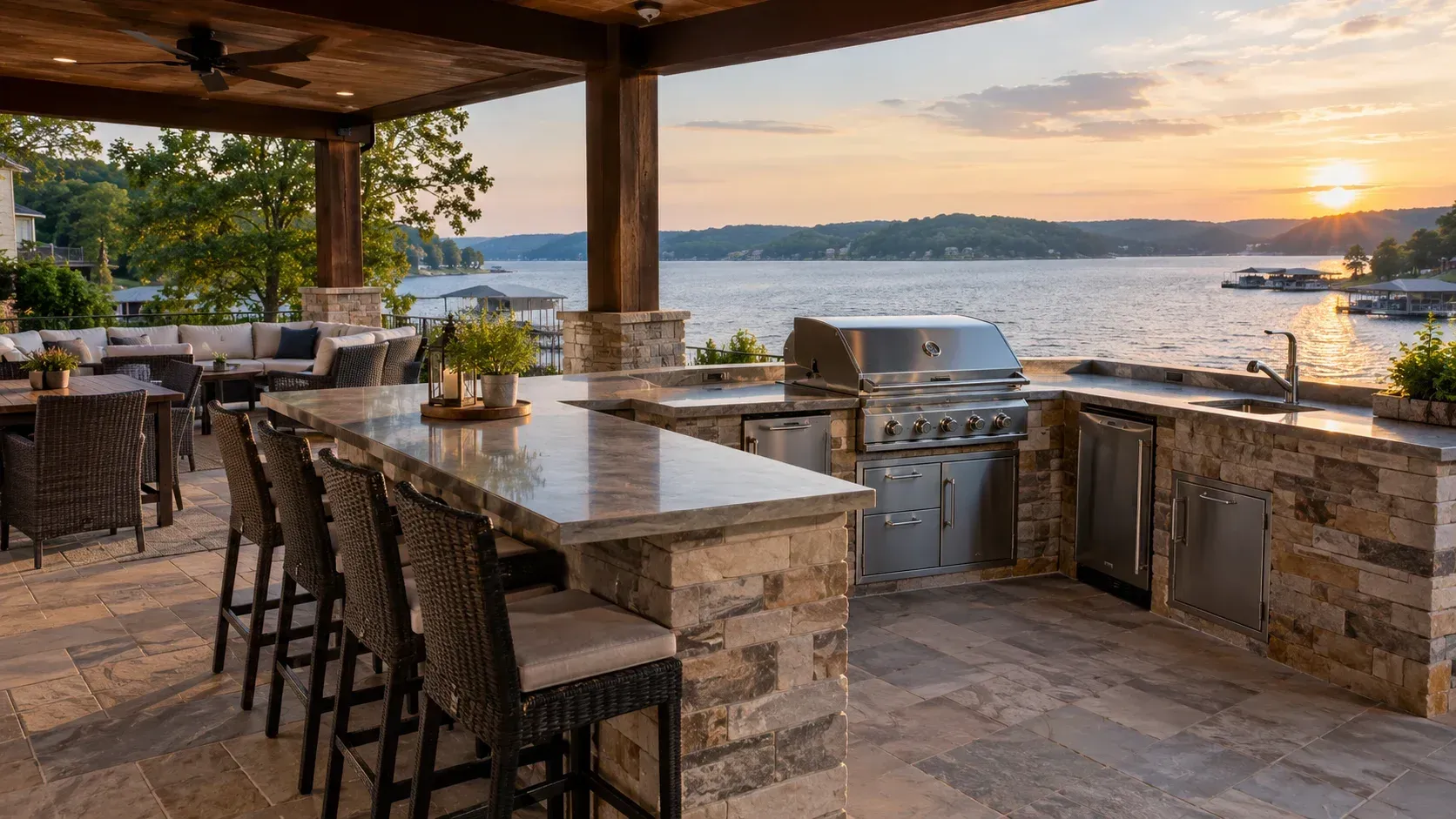
- A covered outdoor living area
- A custom deck
- Energy-conscious window placement
- Flexible rooms that can change purpose
- Built-in storage
M&M Construction Solutions also provides custom deck construction, allowing homeowners to extend usable living space outdoors as part of a broader home design.
The important question isn't “What features are popular right now?”
It's “Which features will make this home work better for us every day?”
Set a Realistic Custom Home Budget
A custom home budget should be established before design decisions become too detailed.
Start by identifying the amount you're comfortable investing, then account for the major components of the project. Depending on your circumstances, that may include land, site preparation, design and planning, construction, materials, permits, utilities, landscaping, appliances, and other project-related expenses.
It is also wise to leave room for unexpected costs.
During construction, circumstances can change. Material availability, site conditions, design revisions, or other project considerations may affect the final cost or schedule.
M&M Construction Solutions emphasizes discussing budget during the planning process and offers estimates and consultations to help homeowners understand their project costs. The company states that estimates within 30 miles of California, Missouri are free, while quotes farther away cost $25, which is applied toward the job if the bid is accepted.
Separate Must-Haves From Nice-to-Haves
One useful approach is to divide your wish list into three categories:
Must-have: Features your household genuinely needs.
High-priority: Features that would significantly improve comfort or functionality.
Nice-to-have: Features you'd enjoy but could remove if they push the project beyond your budget.
This simple exercise can make later decisions much easier.
Choose the Right New Home Builder
Your builder plays a major role in turning your plans into an actual home.
Look for a contractor who can communicate clearly, explain decisions, provide realistic expectations, and work with you throughout the project.
Questions worth asking a prospective builder include:
- What types of custom homes do you build?
- Who will manage the project?
- How will design changes be handled?
- How are budgets and estimates communicated?
- What happens if construction encounters an unexpected issue?
- How often will you receive project updates?
- What warranty or workmanship protections are offered?
- Which areas do you serve?
M&M Construction Solutions is locally owned and operated in California, Missouri and states that it has more than 14 years of combined construction experience. The company also says it is licensed and insured and offers a one-year workmanship warranty.
For homeowners considering a new build, you can also review the company'snew home construction services to understand the types of projects it handles.
The right builder should function as more than someone who shows up once construction starts. The relationship should begin with understanding your goals and continue through the build.
Prepare for Permits, Construction, and Unexpected Changes
Planning doesn't end when the floor plan is approved.
New home construction involves multiple stages, and each stage can introduce decisions that affect the next one. Your project may involve site preparation, permitting, construction, inspections, material deliveries, trade coordination, and final walkthroughs.
That means flexibility matters.
A change doesn't necessarily mean the project has gone wrong. Sometimes an adjustment is the most practical response to site conditions, availability, design considerations, or budget priorities.
The key is understanding how changes affect the overall project before approving them.
For homeowners who have experience with remodeling, this is also where new construction differs from working within an existing home. M&M's existing guidance onthe home remodeling process explains how planning, design, permitting, construction, inspections, and final walkthroughs fit together in a residential project.
Common Mistakes to Avoid When Building a Custom Home
Designing for Trends Instead of Your Lifestyle
Trends change. Your daily routines are likely to be more important over the long term.
Choose features because they work for you, not simply because they're popular.
Underestimating Storage
Storage is easy to overlook during the excitement of selecting finishes. Think about what you own and where those items will actually go.
Spending Too Much on Finishes Too Early
Beautiful finishes matter, but they shouldn't consume the budget before essential structural and functional decisions are settled.
Forgetting Future Needs
Your household may change. Build flexibility into rooms and layouts where practical.
Focusing Only on the Floor Plan
A good plan considers more than room sizes. Windows, storage, lighting, traffic flow, outdoor areas, utilities, and everyday routines all affect how the finished home functions.
Choosing a Builder Based Only on Price
The lowest initial number isn't necessarily the best value. Communication, experience, workmanship, project management, and the ability to understand your goals all matter.
How M&M Construction Solutions Can Help With Your Custom Home
M&M Construction Solutions provides new home construction services in California, Missouri and surrounding Mid-Missouri communities.
The company says its team works with homeowners from the initial consultation through the final walkthrough, considering the client's needs, vision, and budget throughout the process.
M&M also serves communities including Jefferson City, Versailles, Ashland, Holts Summit, Eldon, Tipton, Lake Ozarks, Boonville, Columbia, Russellville, New Bloomfield, and Jamestown.
If you're still deciding between building a new home and modifying your existing property, comparing the options can also be useful. For homeowners who need additional space rather than a completely new house, M&M offerscustom home additions, including home expansions, sunrooms, home offices, in-law suites, and entertainment spaces.
Contact a Custom Home Builder Today!
Planning a custom home is ultimately about making deliberate decisions before construction begins.
Start with your lifestyle. Determine how you use your current home, what isn't working, and what you want to improve. Then translate those observations into a practical floor plan.
From there, establish your budget, prioritize essential features, consider future needs, and choose a builder who can communicate clearly throughout the project.
A successful custom home isn't defined by how many features it contains. It's defined by how well those features work together to make everyday life easier, more comfortable, and more enjoyable.
If you're considering a custom home in Mid-Missouri, M&M Construction Solutions can help you discuss your vision, project needs, and budget. Call
(573) 415-6731 orcontact M&M Construction Solutions to discuss your project.
Frequently Asked Questions
How do I start planning a custom home?
Start by identifying how you currently use your home, what isn't working, and what you want your new home to accomplish. Make a list of essential rooms, storage needs, lifestyle priorities, and future needs. Then discuss those requirements, your vision, and your budget with an experienced new home builder.
What should I consider before building a custom home?
Consider your lifestyle, floor plan, storage, future needs, desired features, budget, property, and construction timeline. You should also think carefully about your builder and how project decisions, changes, costs, and communication will be handled throughout construction.
Is building a custom home better than buying an existing home?
It depends on your priorities. A custom home offers greater control over the layout, features, materials, and functionality, while an existing home may allow you to move in sooner. The right choice depends on your budget, timeline, location, and how closely available homes match your needs.
How much does it cost to build a custom home?
There is no single price that applies to every custom home. Costs depend on factors such as the property's requirements, size, design, materials, labor, permits, and selected features. Establishing your priorities and discussing your budget with a qualified builder can help you determine a realistic project scope.
How long does a custom home take to build?
The timeline varies according to the home's size, design complexity, site conditions, permitting, material availability, and construction requirements. A builder can provide a more useful timeline after understanding the project scope and property.
Related Posts