Essential Steps to Planning Your Dream Custom Home in Missouri

Table of Contents
- Why Preparation is the Key to Success in Planning a Custom Home
- Step 1: Setting Your Budget and Defining Priorities
- Step 2: Finding the Right Location in Missouri
- Step 3: Building Out a Practical Custom Home Checklist
- Step 4: Partnering with the Right Builder
- Step 5: Designing a Floor Plan that Works for Your Lifestyle
- Step 6: Creating a Timeline You Can Trust
- Step 7: Finalizing the Details Without Losing Your Sanity
- Lessons Learned from Common Missteps in the Home Planning Guide
- Turning Your Dream into Reality
Why Preparation is the Key to Success in Planning a Custom Home
We’ve seen it many times: families walk into the process of planning a custom home with excitement, only to feel overwhelmed halfway through because the preparation wasn’t solid from the start. Building a home isn’t like buying one that’s already standing. It’s not just about choosing paint colors and kitchen cabinets. It’s about making dozens of decisions in the right order, with the right guidance, so you don’t run into avoidable roadblocks.
Think of it this way: a dream home is a little like a long road trip. You wouldn’t get behind the wheel without mapping the route, checking the gas, or knowing your destination. In the same way, a thoughtful home planning guide gives you the roadmap for the journey. It doesn’t just make things easier; it makes the entire experience more enjoyable.
Step 1: Setting Your Budget and Defining Priorities
One of the first questions we always ask homeowners is, “What’s your budget?” It may sound obvious, but the reality is many people only have a loose idea of what they want to spend. Without clear numbers, the process can spiral quickly.
When we’re helping clients, we break down the budget into categories: land costs, construction, permits, and a cushion for surprises. Missouri weather can throw us curveballs, and sometimes material availability changes pricing mid-project. That’s why a safety net of 10–15% is a smart move.
Your budget is also tied to your priorities. If an open-concept kitchen is non-negotiable, make sure that’s accounted for before splurging on extras like a home theater or outdoor kitchen. These conversations are part of every custom home checklist we put together with clients, because the clearer you are on what matters most, the smoother the rest of the journey becomes.
Step 2: Finding the Right Location in Missouri
A home’s location is more than an address—it’s the backdrop to your everyday life. Over the years, we’ve worked on properties near downtown areas, quiet country lots, and lakeside retreats. Each site brings different challenges and opportunities.
In Missouri, there are practical details we always consider. Some lots require more grading. Others have soil that needs testing before you can pour a foundation. If you’ve got your eye on land, bring your builder for custom homes into the conversation early. It can save you thousands in unexpected site prep.
Step 3: Building Out a Practical Custom Home Checklist
A custom home checklist isn’t just a piece of paper—it’s your lifeline. Without it, details slip through the cracks, and small oversights can snowball into big headaches.
We start by mapping out the big milestones:
- Land purchase and preparation.
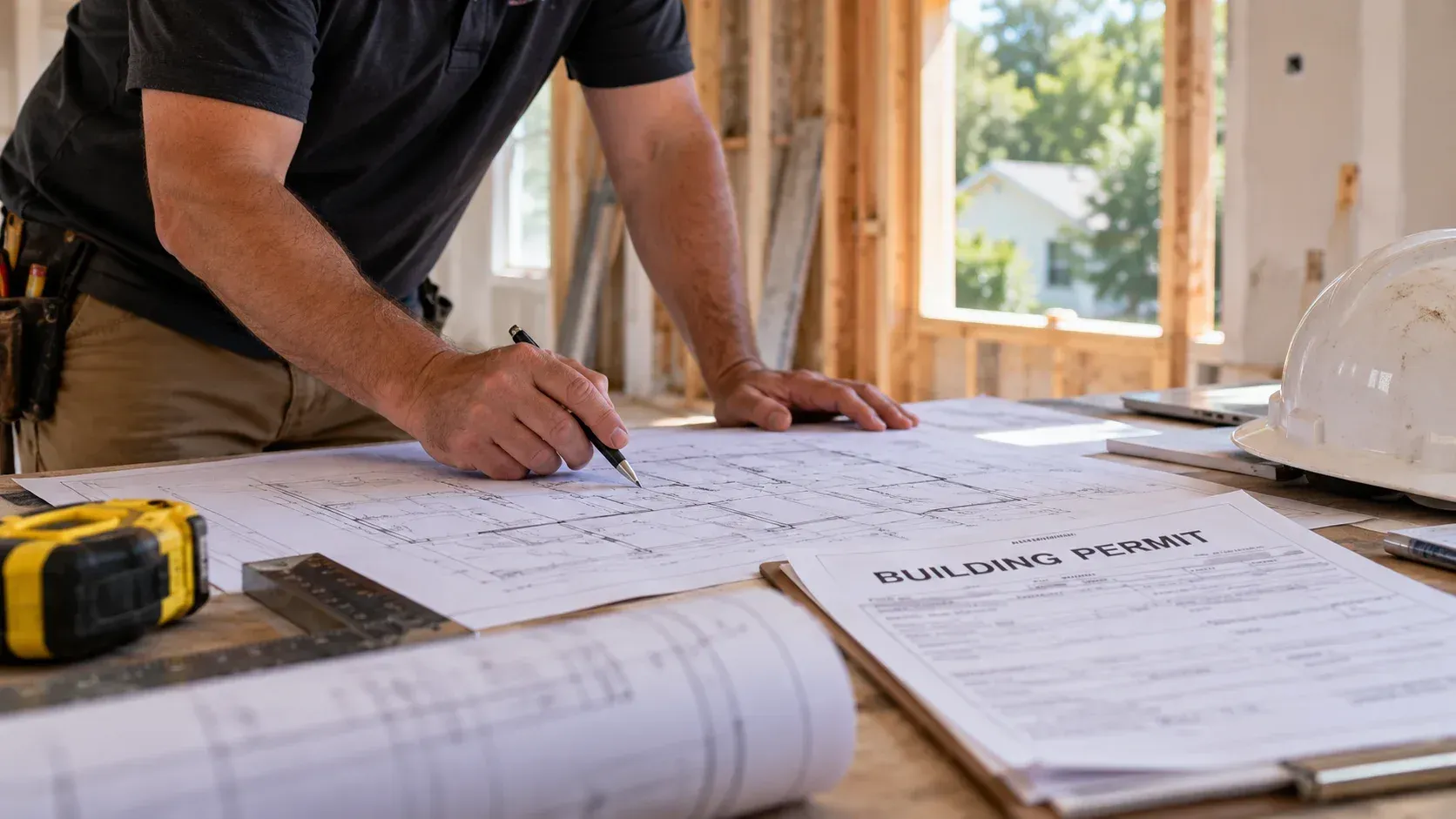
- Permits and approvals.
- Design phase.
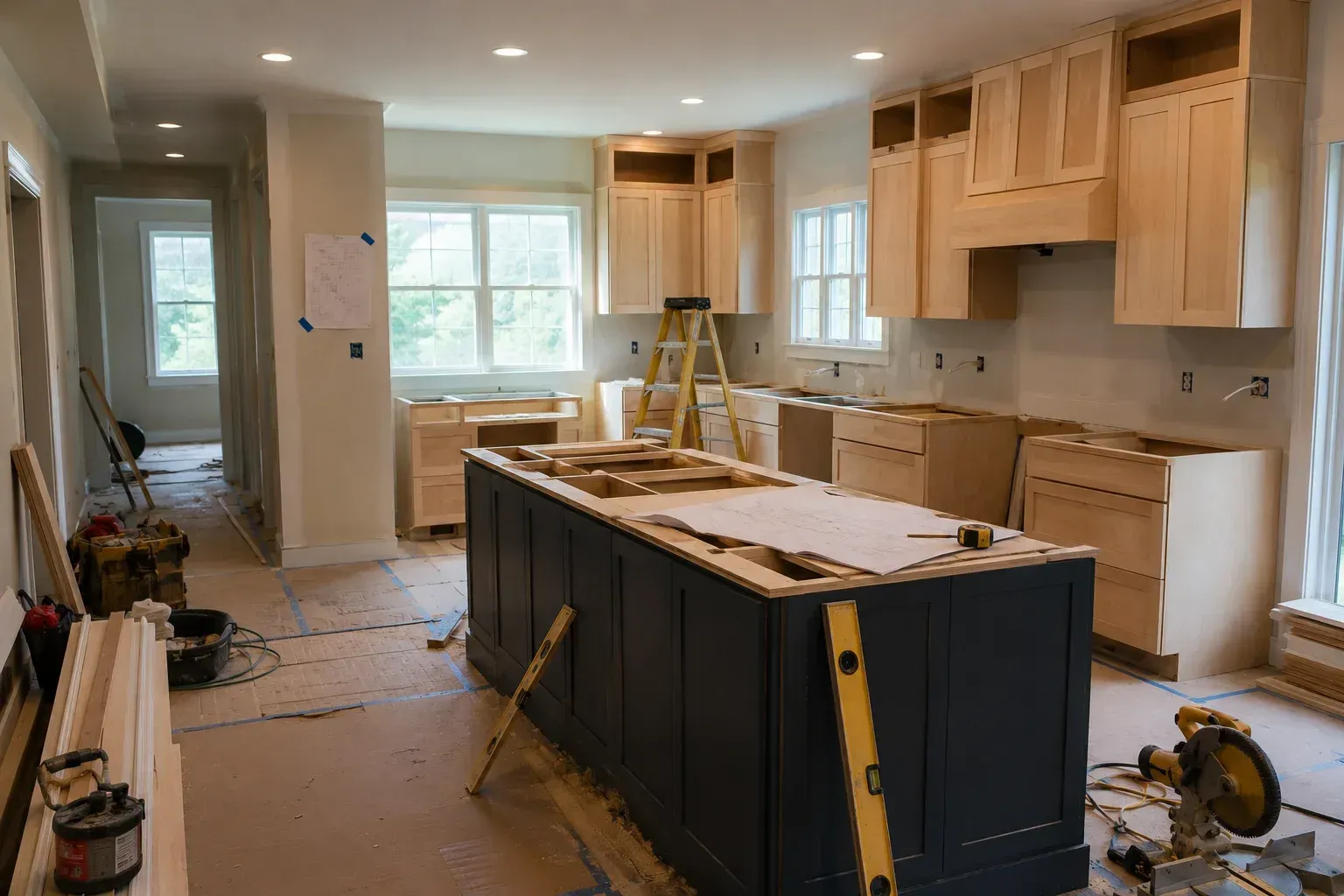
- Construction phases, from framing to finishes.
- Final walkthrough and move-in.
But it doesn’t stop there. We also encourage homeowners to jot down personal touches—like wanting the laundry room close to the bedrooms, or making space for a mudroom because kids (and dogs) track in plenty of dirt during Missouri winters. These notes may seem small, but they’re exactly the kind of details that transform a house into a home.
Step 4: Partnering with the Right Builder
We can’t stress this enough: choosing the right builder makes or breaks the process. The internet is full of horror stories about projects gone wrong, and nine times out of ten, poor communication is at the center of it.
When you’re evaluating a builder, don’t just ask about their portfolio. Ask how they handle surprises, how they keep clients updated, and whether they know the ins and outs of local building codes. In our experience, clients who feel comfortable asking questions and voicing concerns end up with homes that fit their vision—and they enjoy the process much more.
As part of any home planning guide, this step deserves extra attention. You’re not just hiring a contractor; you’re choosing a partner for one of the biggest projects of your life.
Step 5: Designing a Floor Plan that Works for Your Lifestyle
We love this step because it’s where creativity shines. During planning a custom home, the floor plan is where dreams and practicalities meet.
For example, one family we worked with wanted space for holiday gatherings because hosting was their passion. That shaped their design into a large, open living area with plenty of seating and a kitchen island that could handle big meals. Another homeowner was more focused on energy efficiency and low maintenance, so we tailored their design around smart systems and durable finishes.
Ask yourself what daily life looks like for you. Do you need space for a home office? Should bedrooms be close together, or spread out for privacy? These questions turn a generic blueprint into a personal, functional design. And don’t forget the future—your home should grow with you.
Step 6: Creating a Timeline You Can Trust
If there’s one thing we’ve learned, it’s that timelines are both necessary and flexible. Weather in Missouri can throw a wrench into the schedule, and sometimes materials get delayed. But that doesn’t mean the project is off track.
We recommend setting milestone goals rather than rigid dates. That way, you know when framing should be done, when electrical should start, and when finishes are expected. Staying in the loop with regular updates makes it easier to handle changes calmly.
A solid timeline is one of the most important pieces of a home planning guide, and it’s also what helps keep stress levels manageable for homeowners.
Step 7: Finalizing the Details Without Losing Your Sanity
This is the stage where your vision really comes alive. Flooring, paint colors, cabinets, lighting—these choices shape the atmosphere of your home.
It’s also where decision fatigue can set in. Our advice? Tackle choices in phases. Focus on the big-ticket items first, like flooring and cabinetry, then move on to smaller details like hardware and light fixtures. That way, the process feels more manageable.
And remember: flexibility is your friend. Sometimes, a product is backordered or a material runs over budget. In those moments, we’ve helped clients find alternatives that turned out even better than their original pick. That’s why we always say a good custom home checklist should have room for adjustments.
Lessons Learned from Common Missteps in the Home Planning Guide
Over the years, we’ve seen patterns in the mistakes homeowners make when planning a custom home. Here are a few worth watching out for:
- Forgetting to set aside funds for unexpected costs.
- Choosing a lot without checking zoning or utility access.
- Overcomplicating designs with features they’ll rarely use.
- Skipping the builder research and ending up frustrated.
The good news is these pitfalls are avoidable. With a clear home planning guide, you’ll have the foresight to make smarter decisions and enjoy the process instead of stressing over it.
Turning Your Dream into Reality
At the end of the day, building your dream home isn’t about following a rigid formula—it’s about creating a process that balances preparation with flexibility. With a realistic budget, a strong custom home checklist, and the guidance of a builder you trust, the journey becomes less intimidating and a lot more rewarding.
If you’re ready to start planning a custom home in Missouri, we’d be honored to walk you through the process step by step. At the end of this journey, you won’t just have a house. You’ll have a home built around your lifestyle, your priorities, and your future.
You can learn more or start your own project by visiting M & M Construction Solutions. You can also reach us directly at (573)-415-6731 or by email at mmconstructionsolutionsllc@gmail.com.
At M & M Construction Solutions, we don’t just build houses—we build homes that tell your story.
Frequently Asked Questions
1: Why should we choose new home construction over remodeling?
We believe a custom home gives us full control over layout, features, and finishes. It’s built to match our family’s unique lifestyle, not someone else's idea of comfort.
2: How does Missouri home building differ from other states?
With Missouri home building, we understand local styles, weather needs, and community layouts. This allows us to design and build homes that reflect both your family’s story and the unique character of Missouri living.
3: What kind of home improvement projects do you handle?
We provide a wide range of home improvement services, from kitchen and bathroom remodels to full additions. Our goal is to help you upgrade your current home while staying within your budget and long-term vision.
4: Can we combine remodeling with new home construction?
Yes, many families do. Sometimes we start with home improvement projects and later transition to new home construction when needs grow. It’s all about balancing your budget, lifestyle, and long-term goals.
5: How can we get started with Missouri home building?
Starting your Missouri home building project is easy. We’ll sit down to understand your family’s vision, budget, and needs. From there, we’ll guide you through every step of planning, design, and construction.
Related Posts